The Ultimate Guide to SpO2 Interface Cables
SpO2 interface cables are the connection link between a pulse oximeter and its sensor, allowing the device to receive stable oxygen saturation and pulse rate signals. When a cable is incompatible with the monitor or made from low-quality materials, the device may show unstable readings, signal drops, or repeated errors. These issues not only affect clinical decisions but also increase procurement costs.

The Function and Importance of SpO2 Interface Cables
In order to understand the role of the SpO2 interface cables, it is important to know the critical role of the pulse oximeter.
A pulse oximeter measures oxygen saturation by sending red and infrared light through the SpO2 sensor and analyzing the returning signals to determine SpO2 and pulse rate. For this process to work correctly, the information collected by the sensor must travel to the monitor without distortion. This is where the SpO2 interface cable becomes essential.
The cable acts as the communication pathway between the sensor and the monitor, which ensures that optical signals remain stable, accurate, and free from interference. When the cable is fully compatible with the monitor brand and sensor type, readings remain consistent even during continuous monitoring.
Using a compatible SpO2 interface cable offers several advantages. It supports reliable signal transmission, reduces the chance of connection errors, prevents data loss caused by loose or mismatched connectors, and helps maintain accurate readings in both routine checks and critical-care scenarios. High-quality compatible cables also last longer, lowering replacement frequency and overall procurement costs.
Common Materials and Design Features of SpO2 Interface Cables
SpO2 pulse oximeter cables across different models follow similar construction features designed to support stable and accurate signal transmission. Many of these design choices reflect the standards commonly followed by medical cable manufacturers, who focus on durability, signal stability, and compatibility with clinical equipment.
Key material features include:
Here are the different material features used to manufacture high-quality SpO2 cables:
● Medical-grade TPU jacket: Offers flexibility, smooth handling, and resistance to disinfectants and bending fatigue. This helps the cable last longer in busy clinical environments.
● Shielded internal wiring: Helps protect the oxygen-saturation signal from electrical noise and maintains clean data transfer.
● Stable conductor layout: Keeps optical information steady so the monitor receives accurate values.
Important design elements include:
Modern-day SpO2 cables have the following design elements:
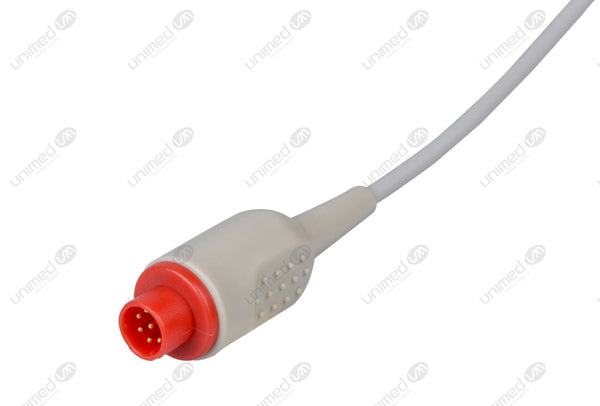
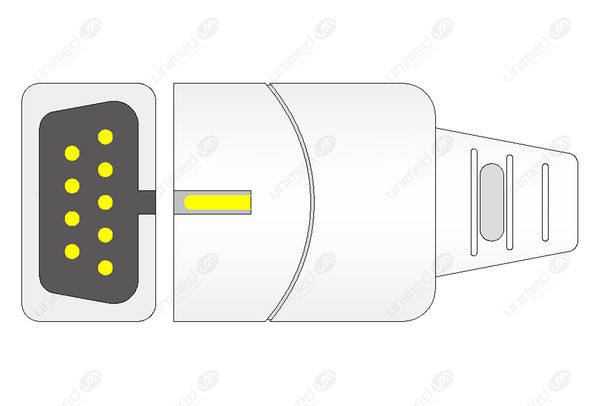
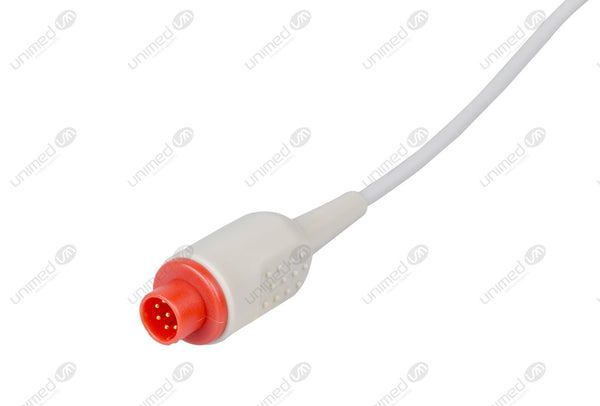
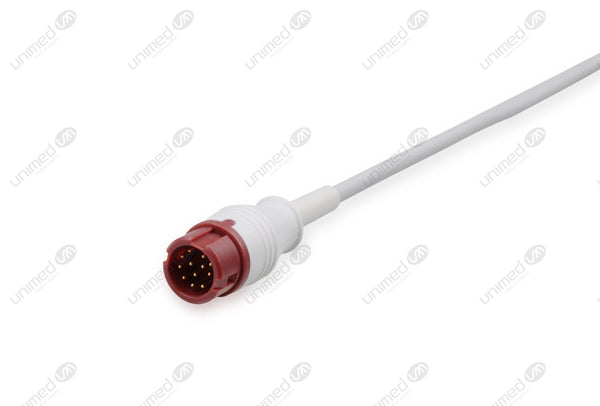
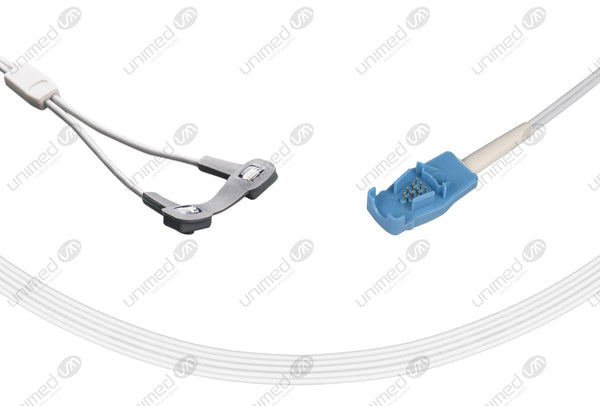
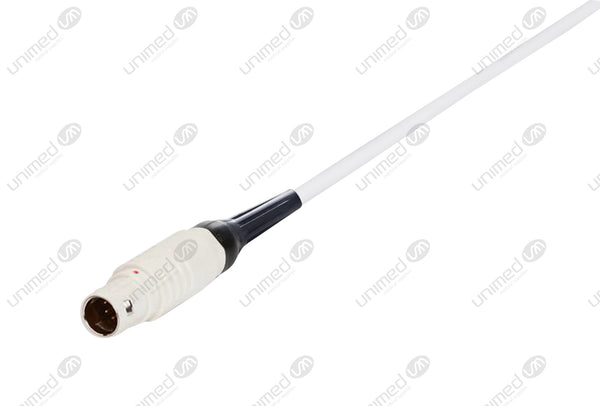
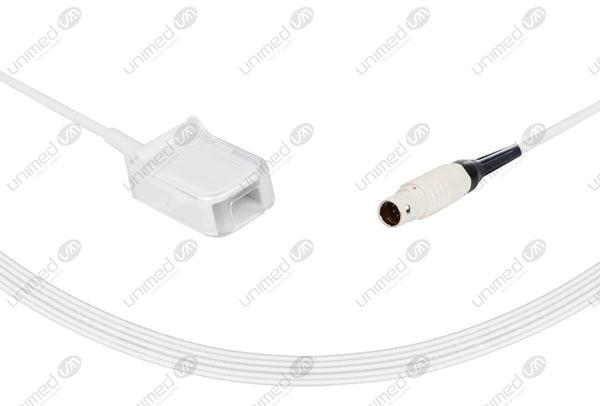
● Firm, well-shaped connectors: Designed to fit securely into compatible monitors and sensors to reduce signal drops and loose connections.
● Reinforced strain relief: Prevents wire damage at the connector area where most stress occurs.
● Appropriate length and diameter: Long enough for bedside use without adding unnecessary weight or stiffness.
These combined material and structural features create a cable that performs reliably in different clinical settings and reduces the need for frequent replacements.
Usage and Maintenance Guide
Using SpO2 interface cables correctly not only ensures accurate readings but also extends the service life of the equipment. Here are the essential steps and daily care practices to keep in mind.
Correct Connection and Disconnection Steps
● Make sure the plug and the monitor’s socket are lined up correctly before you push it in, so the metal pins inside the connector do not get bent or damaged.
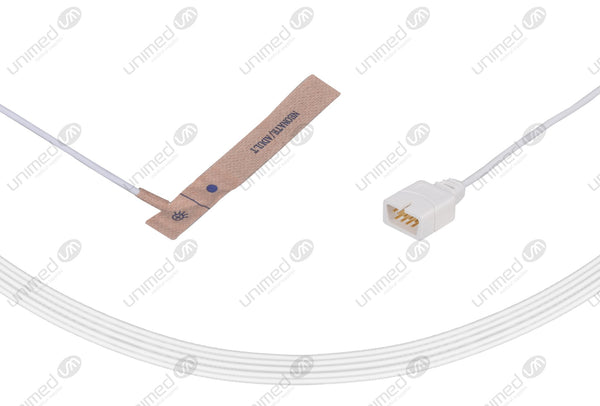
● Attach the cable to the SpO2 sensor until you hear or feel a firm click.
● When removing the cable, pull from the connector body, not the wire, to prevent internal damage.
● Avoid forcing mismatched connectors, as an improper fit can cause signal loss or physical damage.
Further reading: How to Use a Finger Clip Pulse Oximeter and SpO2 sensor? Note the Following Points
Daily Maintenance Tips
Now let’s have a look at the maintenance tips to increase the lifespan of cables and the possibility of accurate readings:
● Keep the cable clean and dry. Wipe it regularly using approved disinfectants suitable for medical cables.
● Inspect the cable for cracks, stiff sections, or exposed wires, which may indicate material fatigue.
● Store cables neatly without sharp bends or tight loops to protect internal conductors.
● Keep cables away from strong electromagnetic sources to maintain stable signal quality.
Further reading: How to Clean and Disinfect ECG Cables and Leadwires?
Common Issues and Troubleshooting
Here are some common issues you may face while using the SpO2 interface cables and the corresponding troubleshooting techniques:
Unstable or fluctuating readings: Often caused by loose connectors or cable tension. Make sure the plugs are fully inserted and the cable is not twisted or stretched.
l No signal detected: Debris, bent pins, or loose fittings can interrupt the connection. So make sure to check the cable ends and confirm the cable is compatible with both the monitor and the SpO2 sensor.
l Intermittent connection: Movement or internal wire damage may cause repeated signal dropouts. To solve this problem, inspect the insulation and strain-relief areas, and replace the cable if the issue persists.
l False low readings: Misalignment or weak transmission can distort values. In order to resolve this issue, recheck the sensor position, eliminate light interference, and ensure the blood flow at the measurement site is adequate.
Further reading: Signal Loss? How to Choose and Replace Key Patient Monitoring Accessories
Unimed Patient Monitoring Accessories
Unimed is among the top medical cable manufacturers and is well-recognized in the patient-monitoring sector for providing accessories that deliver stable and dependable clinical readings. Our SpO2 interface cable portfolio includes models that pair smoothly with many monitor families and a variety of sensor types used in hospitals.
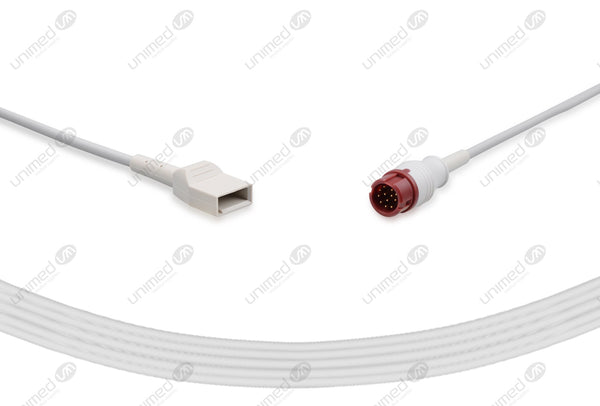
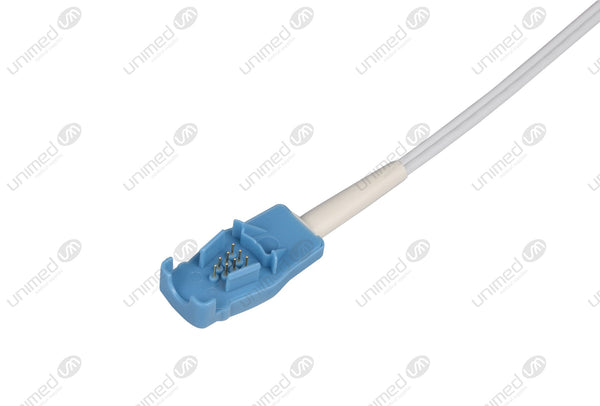
The cable line covers different connector styles, cable lengths, and sensor-side formats so healthcare teams can match the right cable to their specific monitoring system. Each model is produced with attention to stable transmission, durable materials, and secure fit, which helps reduce reading fluctuations and lowers the need for frequent replacements. Many of these cables feature flexible TPU outer jackets and reinforced ends, enabling them to withstand long monitoring sessions or repeated handling.
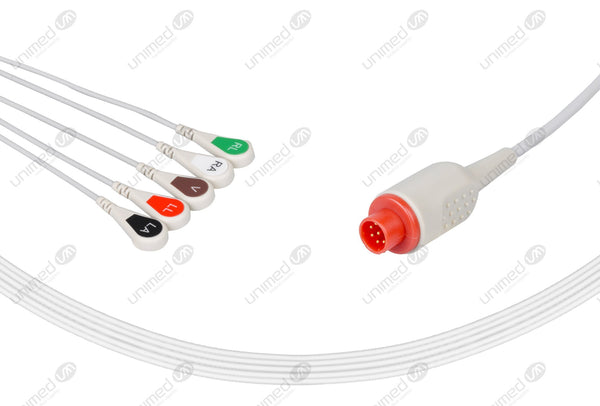
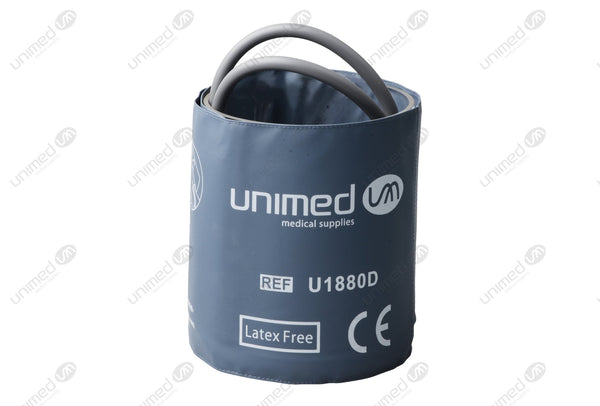
Along with interface cables, Unimed supplies a broad catalog of patient monitoring accessories and parts, such as reusable and disposable SpO2 sensors, ECG leads, NIBP cuffs, temperature probes, and fetal probes. This allows hospitals to source multiple components from a single vendor while maintaining consistent compatibility across different monitor brands.