Understanding Neonatal SpO2 Monitoring and SpO2 Sensor
Monitoring peripheral oxygen saturation (SpO2) is one of the most critical steps in neonatal care. Newborns, especially premature infants, face a higher risk of hypoxemia due to immature lungs, cardiac abnormalities, infections, and other physiological instabilities. Low oxygen levels can develop quickly and may lead to serious complications, making early detection essential for improving survival chances. Neonatal SpO2 pulse oximetry has become a standard clinical tool for this purpose. It offers a fast and non-invasive way for healthcare teams to identify oxygen fluctuations in real time and intervene before the situation becomes dangerous.
So what is SpO2, and how does pulse oximetry work for neonates? Let’s see:

What is SpO2 and Pulse Oximetry?
SpO2, strictly defined as peripheral capillary oxygen saturation or simply peripheral oxygen saturation, refers to the percentage of oxygen-bound haemoglobin circulating in the blood. It is considered a core component of neonatal vital sign monitoring because it reflects how effectively oxygen is being delivered throughout the body.
The device used to measure this value is a pulse oximeter, a non-invasive monitor that analyzes how red and infrared light pass through tissue to determine oxygen saturation and pulse rate. In neonatal care, pulse oximetry is widely used because it provides continuous and real-time readings without causing discomfort, making it suitable for fragile or premature infants.
Importance of Neonatal SpO2 Monitoring
A newborn’s oxygen saturation does not reach normal levels immediately after birth. During the first few minutes, SpO2 naturally rises as the infant transitions from intrauterine to independent breathing.
Clinicians typically compare these early values with normal SpO2 in neonates, which usually reaches around 90% to 95% within the first ten minutes, to determine whether the neonatal transition is progressing safely[1,2,3,4].
Deviations from this pattern can signal respiratory distress, cardiac abnormalities, or other complications requiring prompt attention.
Applications
Because of these delicate physiological changes, continuous neonatal SpO2 monitoring is essential in several settings.
l In neonatal wards, monitoring helps track daily stability and detect fluctuations in newborn oxygen saturation levels, especially in infants who require assisted breathing.
l During neonatal resuscitation, SpO2 readings guide oxygen delivery to avoid both hypoxemia and hyperoxia.
l In NICUs and intensive care units, monitoring supports the management of premature infants, those on mechanical ventilation, or babies recovering from infection or surgery.
Across all these environments, accurate neonatal SpO2 values allow medical teams to detect risks early and respond quickly.
Neonatal SpO2 Sensor: Technology and Types
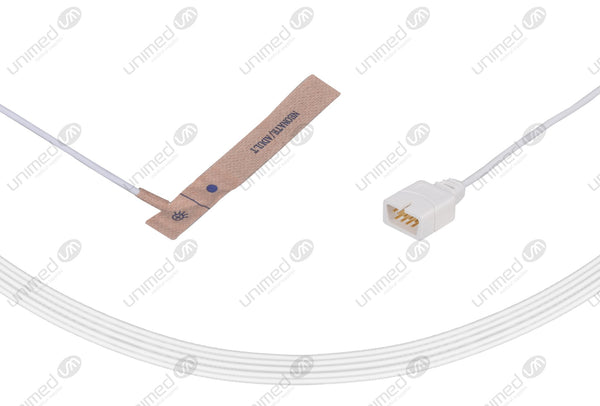
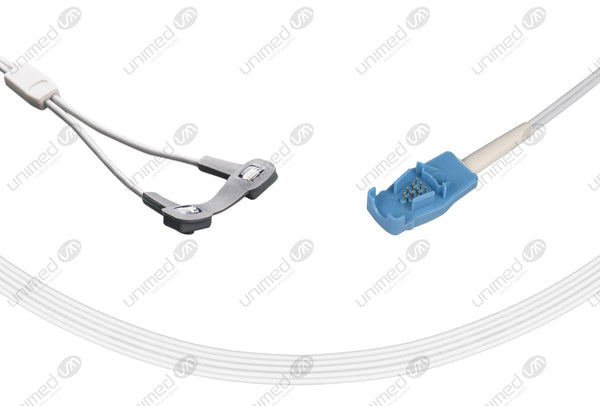
A neonatal SpO2 sensor is a specialized optical probe that measures SpO2 in newborns using red and infrared light absorption through pulse oximetry. It detects oxygenated vs. deoxygenated hemoglobin ratios and must accommodate infants' thin skin and variable perfusion.

Different Sensor Types
Neonatal SpO2 sensors are classified by adhesive material and usage type:
l Textile adhesive: Fabric-based with gentle adhesive for extended wear
l Foam adhesive: Cushioned foam backing to protect fragile skin
l Non-adhesive: Wrap-style with Velcro/elastic fixation, zero skin pressure
Available as disposable (single-patient, infection control) or reusable (sterilizable).
Technological Advancements
Technological improvements have made neonate SpO2 sensors more dependable. Modern designs offer better resistance to motion interference, improved light signal capture for low-perfusion infants, and materials that reduce skin irritation. These advancements help ensure stable readings in newborns who require continuous or critical monitoring.
Further reading: SpO2 Sensor: Principles, Types, and Selection
Spo2 Monitoring for Sports and Fitness: Boost Performance and Recovery
Correct Usage of Neonatal SpO2 Sensors
Proper use of neonatal SpO2 sensors is essential for obtaining reliable oxygen saturation readings, especially because newborns are sensitive to motion, temperature, and skin irritation.
Here is how to take the readings accurately and the precautionary measures to keep in mind.
Routine Usage Steps
Follow these steps for routine SpO2 sensor usage:
● Choose the correct neonatal sensor size based on birth weight and measurement site.
● Clean and dry the infant’s skin before placement to avoid signal interference.
● Wrap the sensor gently around the recommended site, usually the foot or hand, making sure the light emitter and detector are aligned.
● Keep the infant warm, as cold extremities reduce perfusion and cause unstable readings.
● Confirm that the pulse waveform and signal quality indicator are stable before interpreting the SpO2 value.
● Regularly check the sensor position during continuous monitoring to avoid pressure marks or loosening.
Common Misuse Practices That Affect Accuracy
Here are some common mistakes many people make while using the neonatal SpO2 sensors:
● Placing the sensor too tightly can restrict blood flow and produce false readings.
● Using the wrong sensor type or size, especially when monitoring premature infants.
● Allowing strong external light to shine directly on the sensor disrupts the optical signal.
● Applying the sensor on sites with poor perfusion or excessive movement.
● Failing to reposition the sensor periodically during long-term monitoring may lead to skin irritation or inaccurate values.
Unimed Patient Monitoring Supplies and Accessories
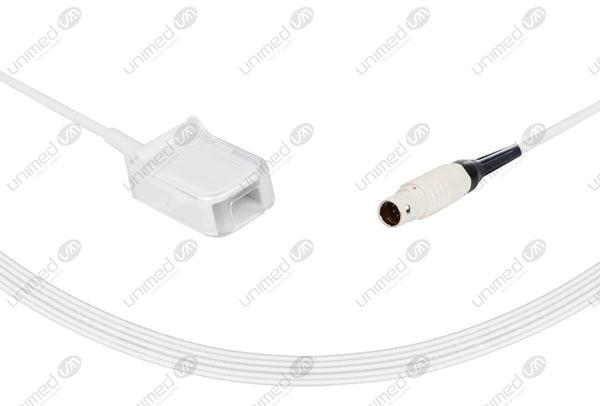
Unimed supplies a wide range of SpO2 sensors and interface cables that are designed to work with major patient monitors and pulse oximeters across many clinical brands. The product range covers sensors for adults, children, infants, and neonates, with options for both reusable and disposable use depending on clinical needs.
Contact Unimed today for customized sensor solutions, compatibility consultations, or bulk ordering.