How to Use a Fingertip Pulse Oximeter & SpO2 Sensor Correctly? Note the Following Points
Fingertip pulse oximeters have become common tools for monitoring daily health, notably because they are simple to operate and provide quick oxygen saturation readings. This article focuses on how to use these devices correctly and highlights their key component, the SpO2 sensor, which directly affects the accuracy of each measurement.

What are Fingertip Pulse Oximeter and SpO2 Sensor?
l Fingertip Pulse Oximeter
A pulse oximeter is a non-invasive device that measures blood oxygen saturation (SpO2) and pulse rate through light absorption.
The fingertip pulse oximeter is the most commonly used version of this technology. It works by emitting red and infrared light through the fingertip and analyzing how much light passes through the blood to calculate oxygen levels.
l SpO2 Sensor
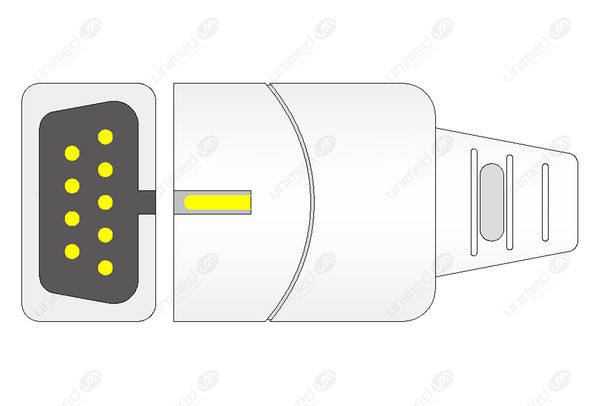
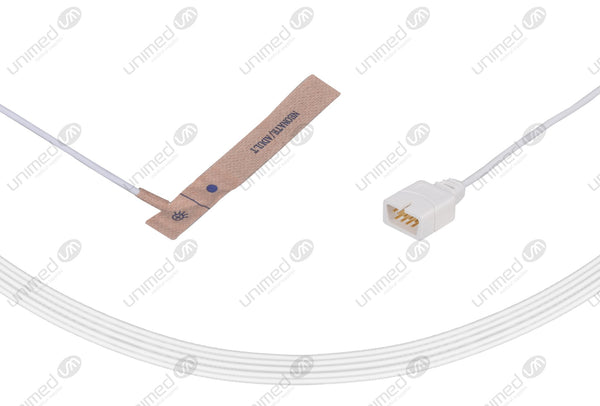
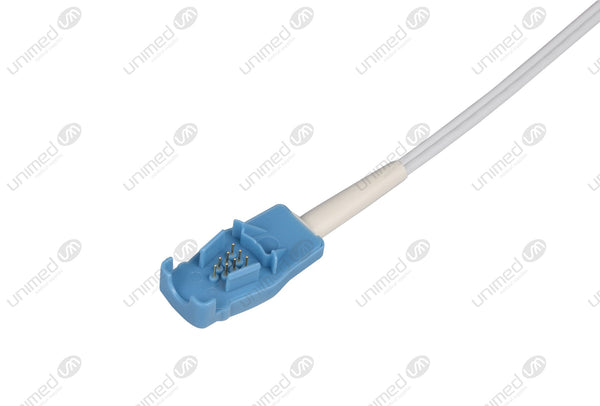
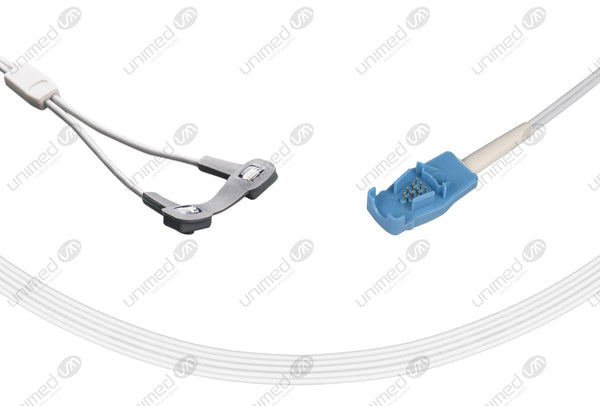
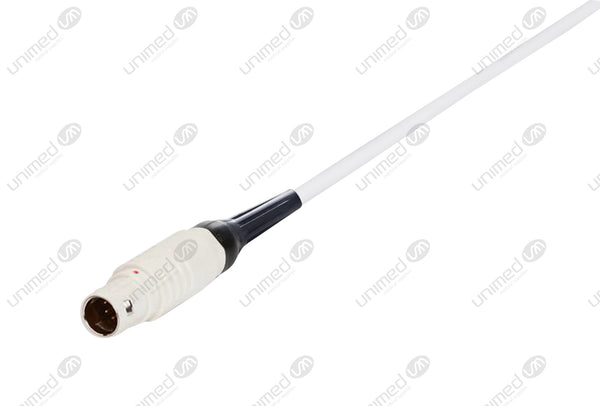
The SpO2 sensor, also known as the pulse oximeter sensor, is the core component responsible for detecting light signals. While built into fingertip devices, external SpO2 sensors are used with patient monitors to fit different body parts. Common types of SpO2 sensors include:
1. Neonatal SpO2 sensors
2. Infant SpO2 sensors
3. Pediatric SpO2 sensors
4. Adult SpO2 sensors
On the market, SpO2 sensors are also commonly classified directly into disposable and reusable categories.
Further reading:
SpO2 Sensor: Principles, Types, and Selection
Facts You Need to Know about SpO2 Sensors

Who Needs to Use a Pulse Oximeter?
A pulse oximeter may be used by different groups of people, such as:
● People with chronic respiratory or cardiovascular conditions such as COPD, asthma, or heart disease.
● Individuals at risk of low oxygen levels, including older adults or those recovering from infections.
● People in special environments, such as high-altitude travelers or athletes doing endurance training.
● General users who want convenient home monitoring for wellness or early detection of abnormal oxygen levels.
While fingertip pulse oximeters promise highly accurate and immediate readings, it is important to use them properly. So, how to use a pulse oximeter? Let’s see:
How to Use a Fingertip Pulse Oximeter Correctly
Here is a step-by-step guide for using a fingertip pulse oximeter to obtain accurate SpO2 readings as a general reference:
1. Pre-measurement preparation: Remove nail polish, gel nails, or artificial nails, as they can block light signals; clean your finger.
2. Sit still and relax your hand for a few minutes before the measurement.
3. Warm your hands if your fingers are cold, since poor circulation affects accuracy.
4. Place the device on the fingertip, usually the index or middle finger, with the nail facing upward.
5. Keep your hand steady and at heart level during measurement.
6. Wait for the pulse waveform to stabilize before reading the numbers.
7. Record both SpO2 and pulse rate for proper monitoring.
8. To ensure reading accuracy, take multiple measurements and average them. Repeat the measurement after a short pause if the readings show large discrepancies.
Here is a table that will help you understand the SpO2 values and their meanings[1,2]:
|
SpO2 Value Range |
Status |
What It Means |
|
95% – 100% |
Normal |
Oxygen level is healthy, no action needed. |
|
93% – 94% |
Slightly Low |
Monitor more frequently. May indicate an early decline in oxygen saturation. |
|
90% – 92% |
Low |
Seek medical advice, especially if symptoms like shortness of breath are present. |
|
Below 90% |
Concerning |
Possible hypoxemia, which requires prompt medical attention. |
Note:
1. These ranges may not apply to individuals with chronic lung conditions (e.g., COPD)[3,4] or those at high altitudes[1].
2. If you feel unwell (shortness of breath, dizziness) even with a normal reading, seek medical help immediately.
3. This guide is for reference only and does not replace professional medical diagnosis.
Common Improper Operations That Lead to Inaccurate Readings
Many inaccurate pulse oximeter readings come from simple mistakes rather than device problems. Here are the most common issues to avoid:
● Cold fingers: Low temperature causes weak blood flow, making readings unstable.
● Finger movement during measurement: Even small movements can disrupt the light signal inside the sensor.
● Strong light directly hitting the device: Sunlight or surgical lamps may interfere with the optical sensor.
● Nail polish or artificial nails: Dark colors block the light, which may cause false low values or no reading.
● Incorrect finger placement: If the fingertip is not fully inserted, the sensor cannot detect oxygen levels properly.
● Poor circulation conditions: Issues like low blood pressure may produce weak signals and inaccurate results.
● Dirty sensor or finger: Dust, lotion, sweat, or moisture affects the optical path inside the device.
● Using the wrong sensor type: Different patient groups require different SpO2 sensor types for accurate monitoring, so choose the type carefully for best results.
Conclusion
Unimed supplies a full range of patient monitoring accessories.
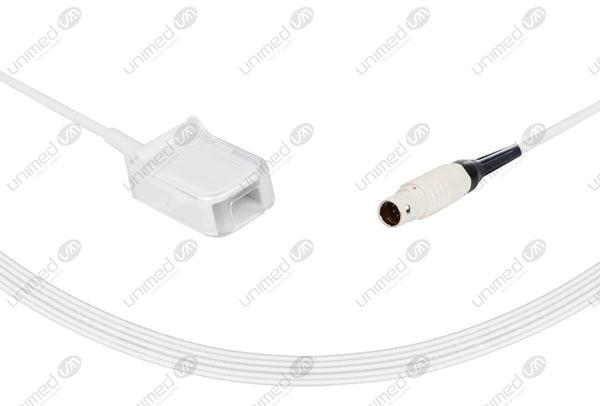
Our SpO2 catalog includes SpO2 sensors and SpO2 interface cables designed to work with many major brands such as Philips, GE, Ohmeda, Datascope, Nihon Kohden, and Nellcor. These sensors come in multiple styles for adult, pediatric, infant, and neonatal use.
For facilities or distributors looking for dependable replacement sensors and cables, Unimed provides a large selection, broad compatibility, and consistent quality that keeps monitoring equipment functioning safely and accurately.