What Is a Non-Invasive Blood Pressure Cuff?
In scenarios such as surgical monitoring, intensive care, emergency care, and daily health management, continuous and accurate blood pressure measurement is essential. In this context, non-invasive blood pressure cuffs play a critical role. These devices enable blood pressure measurement without arterial puncture and are widely used in both clinical and home settings.
To better understand their application, let’s take a closer look at the types and core working principles of non-invasive blood pressure cuffs.
Core Principles of Non-Invasive Blood Pressure Cuffs

To understand the working of a non-invasive blood pressure cuff, you first need to know about its key components, such as:
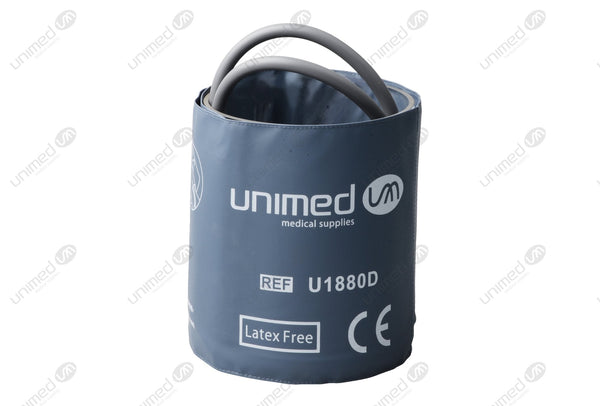
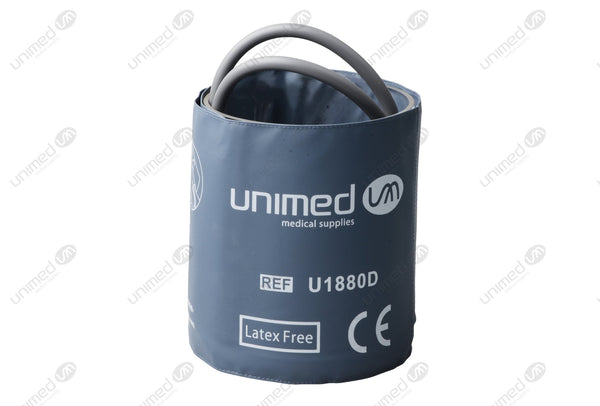
● Inflatable Bladder: It's the primary component that contains air and is placed around the limb to apply pressure on the artery. The bladder sits inside the cuff sleeve.
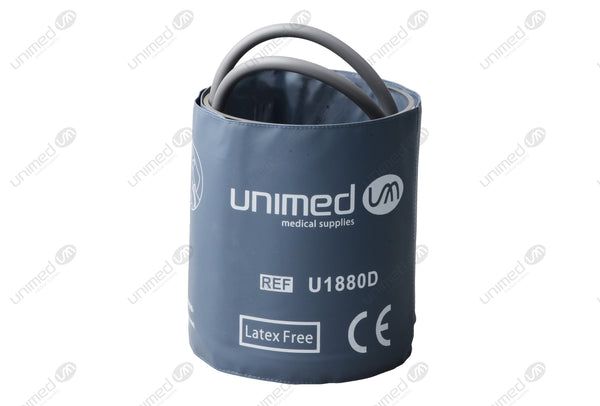
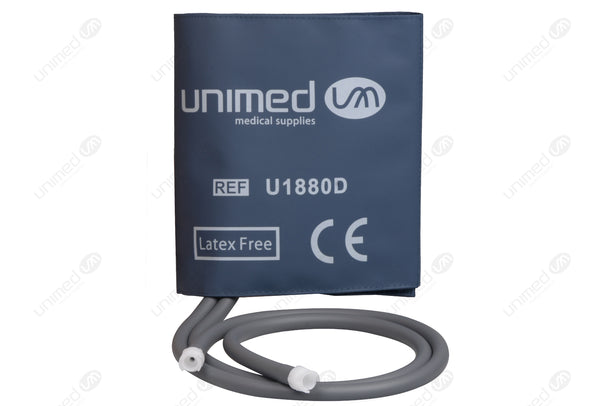
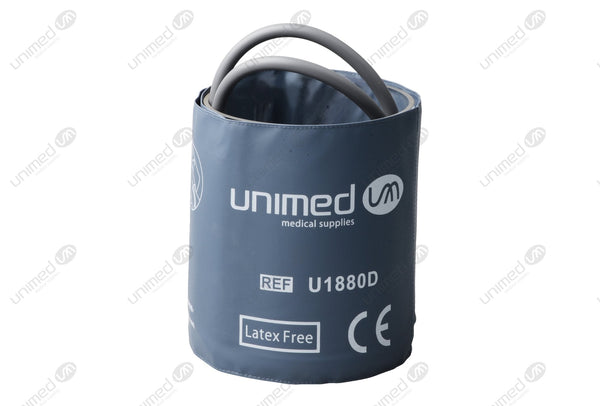
● Cuff Sleeve: The sleeve is typically made of durable fabric such as nylon or polyester and is used to hold the bladder in place.
● Inflation System: An inflation system can be a manual rubber pump or an automated pump that inflates the bladder.
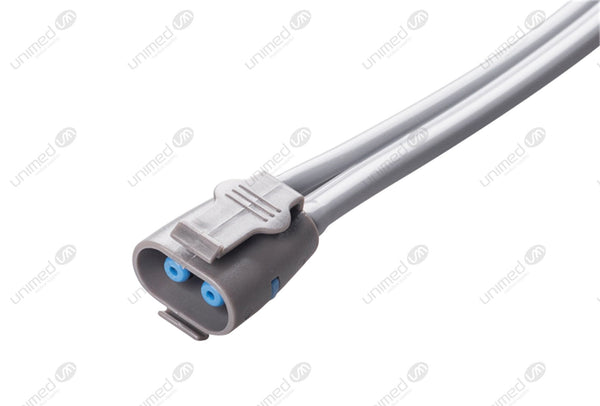
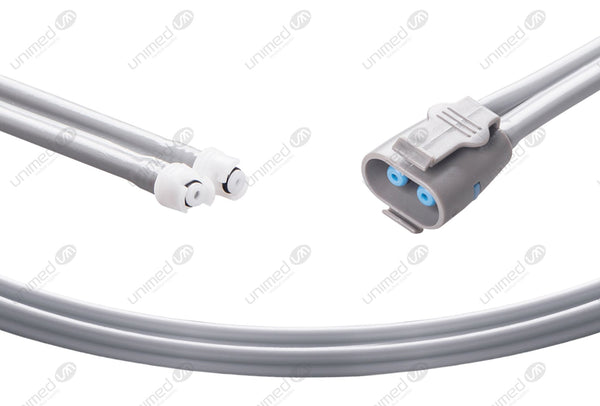
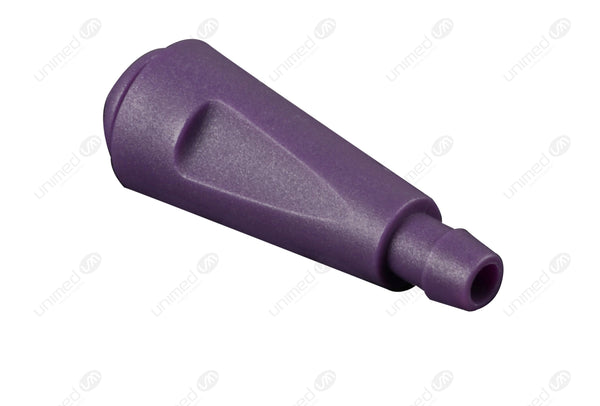
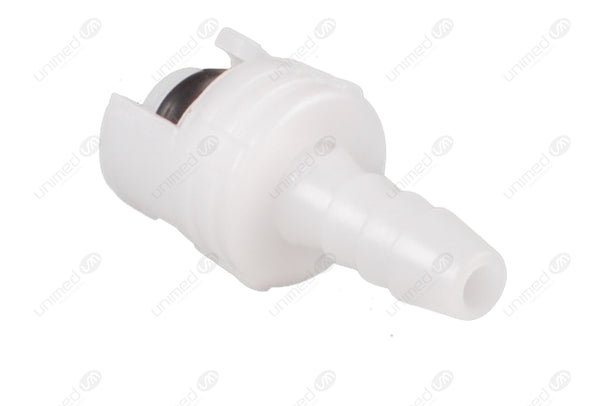
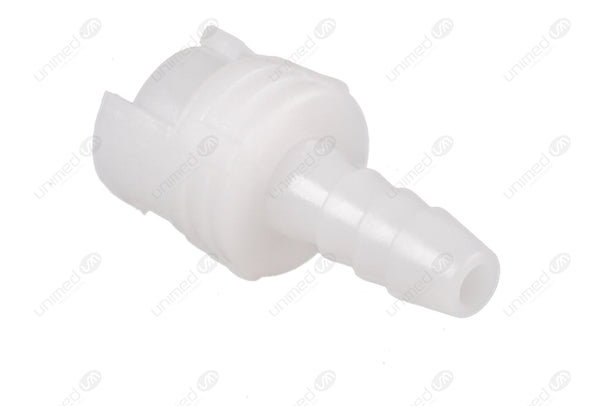
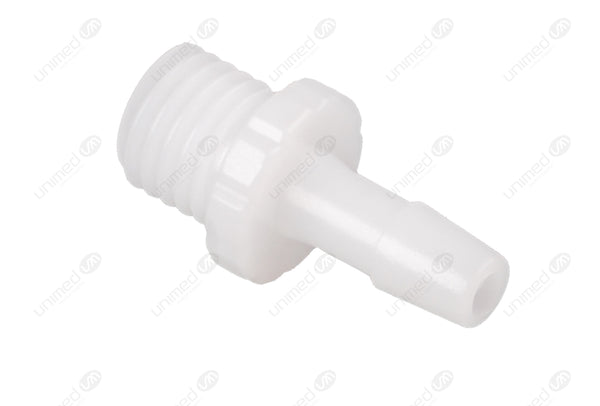
● Tubing: It's a flexible air-pressure connector that connects the bladder to the inflation system, allowing air to be pumped in or released.
● Transducer: A pressure sensor that converts mechanical pressure oscillations into readable electrical signals as the cuff deflates.
● Deflation Valve: As the name suggests, deflation valves enable controlled release of air, either manually or automatically.
The working of the non-invasive blood pressure cuff is relatively simple:
The pump inflates the cuff above systolic pressure to block the artery. It is then deflated gradually, and as pressure drops, arterial pressure oscillations are detected by the cuff — these oscillations increase in amplitude and then decrease as deflation continues. The point of maximum oscillation amplitude corresponds to the mean arterial pressure (MAP). The device then uses built-in algorithms to estimate systolic and diastolic blood pressure based on the pattern of these vibrations.
Types of Non-Invasive Blood Pressure Cuffs
The overall global non-invasive blood pressure monitors market size was estimated at USD 32.34 billion in 2025 and is projected to reach USD 63.18 billion by 2035[1]. However, you'll find two types of cuffs on the market: reusable and disposable. Let's discuss them in detail:
l Reusable Cuffs
When it comes to pediatric blood pressure cuffs, the common option is a reusable one. It's usually made of nylon, which significantly enhances its overall durability. You can reuse it on multiple patients and easily clean it in between to prevent infections.
l Disposable Cuffs
However, in recent years, hospitals have been moving toward disposable blood pressure cuffs due to the high risk of hospital-acquired infections. It uses polyester or vinyl as its primary material, which is quite comfortable.
You can use it on a single patient and reapply if needed, but after that, it gets discarded. There's no hassle of extra cleaning, so this cuff is making its way to intensive care units, operating rooms, and emergency areas.
Classification by Patient Population
Non-invasive blood pressure cuffs are also classified by patient type, including adult, pediatric, or infant. Here's an overview:
● Adult: Adult non-invasive blood pressure cuffs are made for larger arm circumference and are commonly found in general wards and clinics.
● Pediatric: In pediatric blood pressure cuffs, the bladder length and width are designed to comfortably fit the child's arm.
● Neonatal: Neonatal or infant blood pressure cuffs are the smallest and are present in NICUs for precise monitoring.
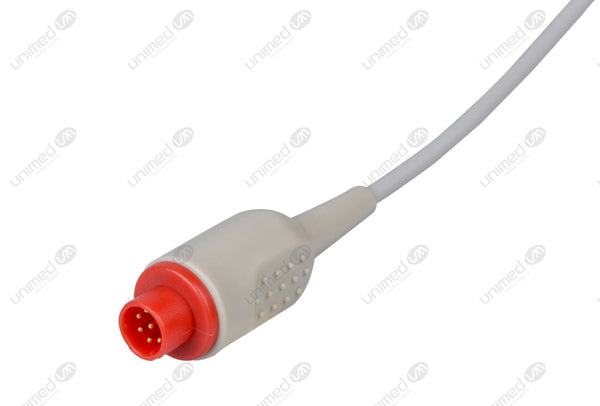
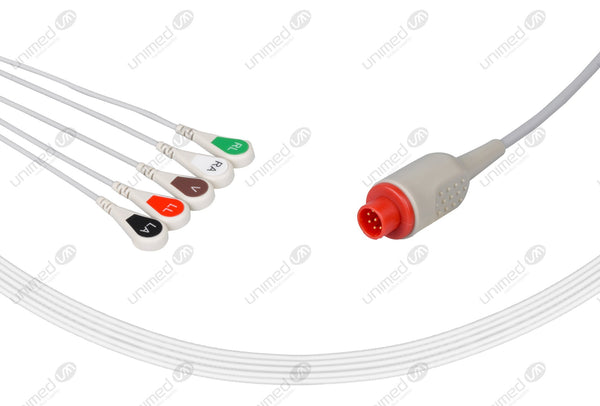
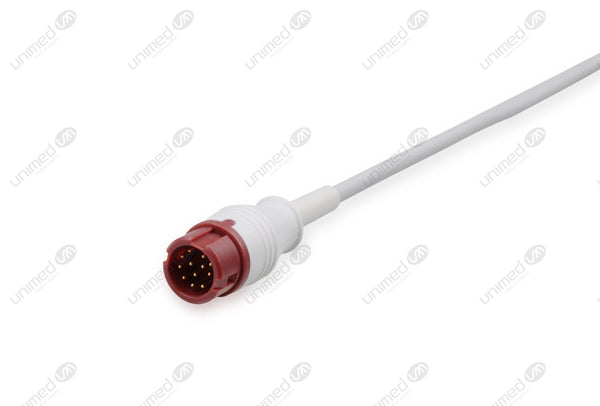
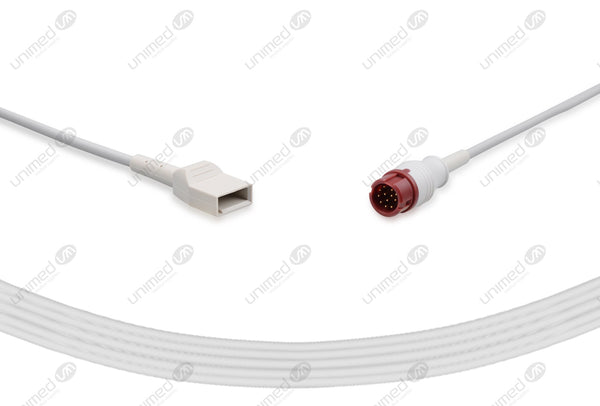
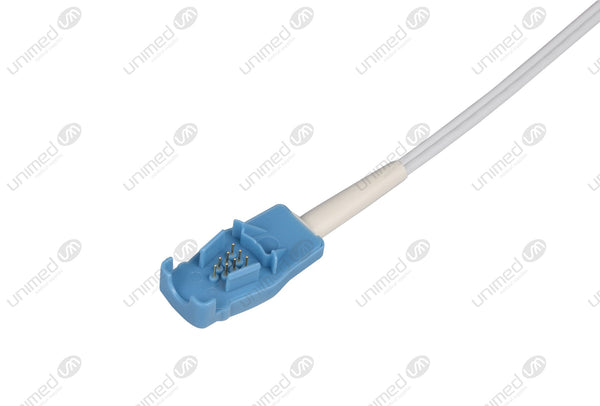
At Unimed, you will get a wide variety of non-invasive blood pressure cuffs and blood measurement connectors that are certified and compatible with top-notch brands like Philips. All products are highly reliable and offer accurate measurements for quick diagnostic and medical intervention.
Use of Non-Invasive Blood Pressure Cuff
Now that you are aware of the types of blood pressure cuffs, let's discuss the usage guidelines you should follow to check your blood pressure (using automatic monitoring as an example):
1. Rest quietly in a seated position for at least 5 minutes before measurement. Avoid caffeine, exercise, or a full bladder immediately beforehand.
2. Relax your arm and position it at heart level (supported on a table). Wrap an appropriately sized cuff around the bare upper arm, with the lower edge positioned 2–3 cm above the elbow crease. The cuff should be snug but allow 1–2 fingers to fit underneath.
3. Press the measurement button to start automatic inflation. Wait for the cuff to deflate automatically, then read the displayed systolic and diastolic blood pressure values.
4. Ensure the cuff is fully deflated before removing it. Record the readings. For repeated measurements, wait 1–2 minutes between readings and take 2–3 measurements, averaging the last two results.
Conclusion
As a globally recognized brand in patient monitoring accessories, Unimed leverages over 20 years of clinical expertise and a stringent ISO 13485 quality management system to provide comprehensive non-invasive blood pressure solutions across diverse clinical scenarios. With outstanding consistency, high reliability, and full traceability, Unimed has become a trusted choice for leading healthcare institutions worldwide in advancing standardized patient monitoring configurations.
Feel free to contact us for product information or customized solutions.