Temperature Probes for ICU and Surgery: Accuracy and Safety Guide
Small temperature errors can distort warming decisions in the operating room or ICU. Reliable monitoring therefore depends on more than stated probe accuracy. The sensing site, thermistor curve, monitor connector, placement, cable condition, and infection-control pathway all matter.
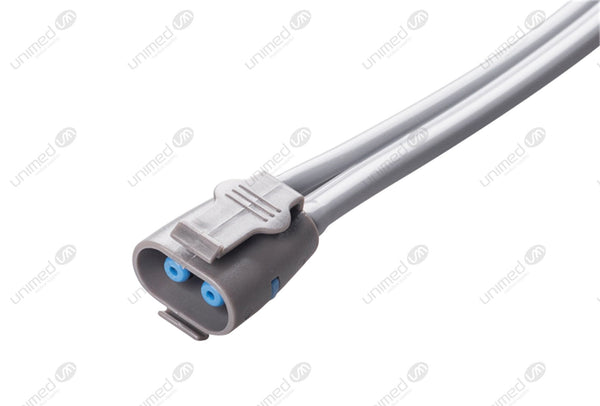
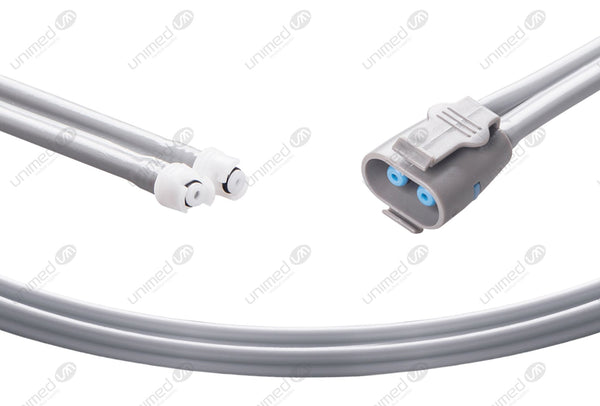
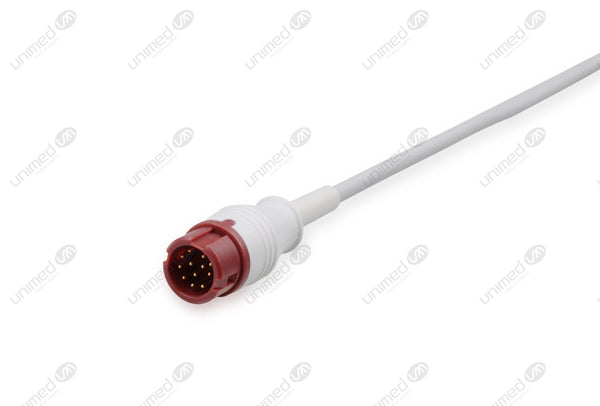
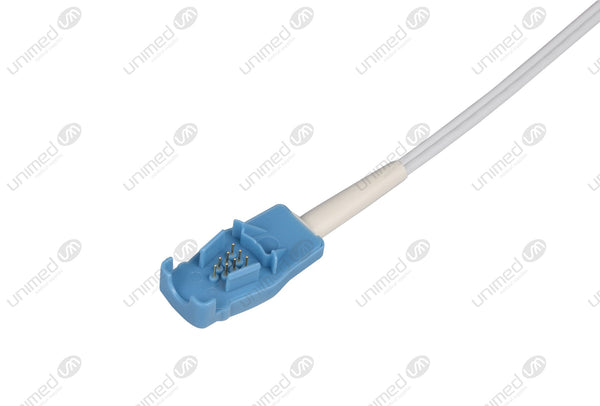
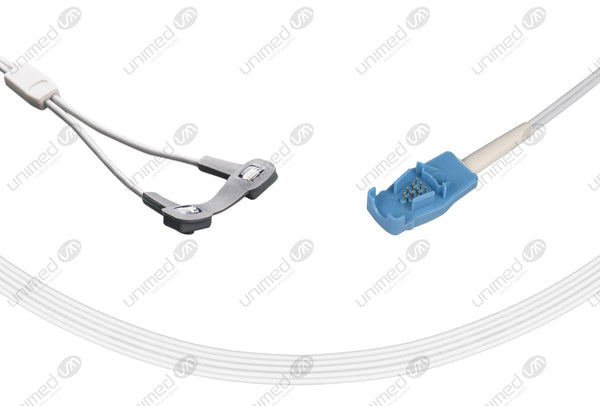
Unimed provides medical temperature probes and adapter cables for selected monitoring systems, including skin, oral, rectal, and esophageal temperature probes, as well as other core-temperature monitoring products and adapter cables.
This guide explains how to select and use them safely for continuous clinical monitoring.

Key Takeaways
1. Why Accurate Temperature Monitoring Matters
Core temperature is the temperature of the blood and internal organs. NICE CG65 defines inadvertent perioperative hypothermia in adults as a core temperature below 36.0°C and describes 36.5°C to 37.5°C as the expected normal range for a comfortably warm adult [1]. Hypothermia is associated with blood loss, wound infection, cardiac events, and delayed recovery.
NICE recommends measurement in the hour before theatre transfer, before anesthesia, every 30 minutes until surgery ends, and every 15 minutes in recovery. Continuous medical temperature probes can add trend visibility when the anesthesia plan and monitor support continuous measurement.
In the ICU, targets depend on the condition and treatment plan. The 2025 American Heart Association guideline recommends protocolized control between 32°C and 37.5°C for adults who remain unresponsive after return of spontaneous circulation, maintained for at least 36 hours [2]. Feedback-controlled cooling or warming relies on a stable core signal.
2. Select the Measurement Site Before the Probe
The right temperature probe depends first on the intended measurement site and clinical application—especially whether the goal is core-temperature monitoring or skin temperature monitoring. Skin temperature probes cannot replace probes designed for esophageal, rectal, or other clinically accepted core measurement sites.
| Unimed Probe Type | Intended Measurement Role | Practical Accuracy Considerations |
|---|---|---|
|
Esophageal Temperature Probe Disposable |
Core temperature monitoring in an anesthetized or sedated patient | When placed in the distal esophagus, the probe can respond relatively quickly to changes in core temperature. If positioned too high, readings may be affected by airway temperature. |
|
Rectal Temperature Probe Reusable or disposable |
Rectal temperature measurement and core temperature monitoring | Rectal temperature can reflect core temperature, but response may be relatively slow during rapid temperature changes. |
|
Skin Temperature Probe Reusable or disposable |
Peripheral temperature trend monitoring | Readings may be affected by perfusion, ambient conditions, warming devices, and sensor-to-skin contact. |
|
Oral Temperature Probe Reusable or disposable |
Oral temperature measurement | Accuracy depends on correct positioning and the measurement mode specified for the device. Oral temperature should be interpreted in the context of its intended clinical use. |
3. Accuracy Depends on the Complete Measurement Chain
A probe's specified accuracy does not represent the accuracy of the entire temperature-monitoring system.
The final displayed temperature depends on the combined performance of the probe, thermistor characteristics, monitor, connector and adapter, placement, and operating environment.
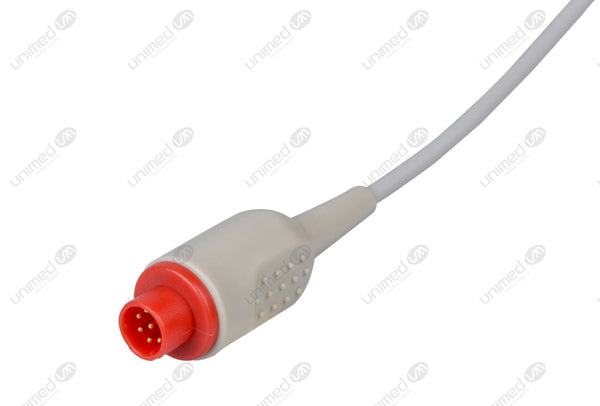
Most of Unimed’s continuous medical temperature probes use negative temperature coefficient thermistors. As temperature rises, resistance falls. The patient monitor converts this resistance into a temperature value according to the curve configured for its temperature channel.

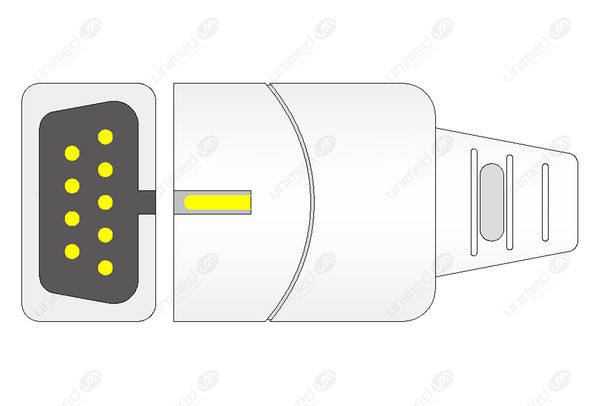
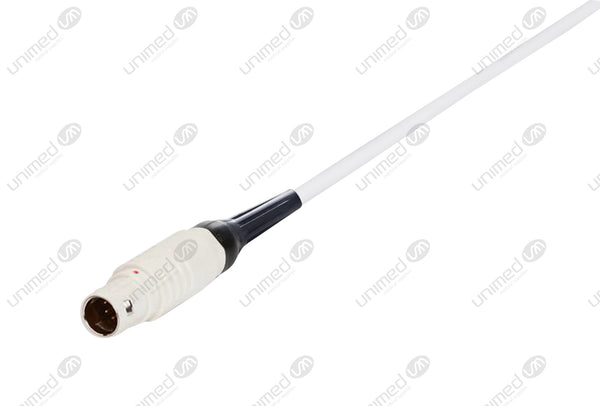
Part Number: T2252-AG

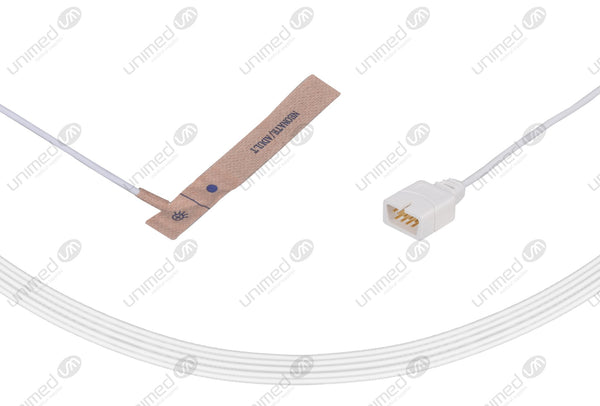
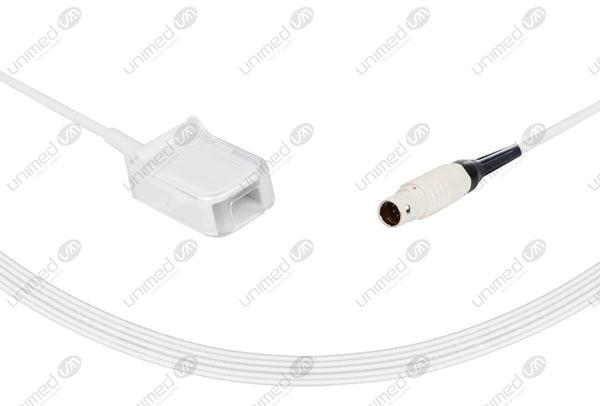
Part Number: T700-AS
4. Safety and Infection-Control Checks
Single-patient probes remove the need for cleaning and disinfection between patients and can be discarded after use according to hospital policy. Reusable probes follow the cleaning, drying, storage, and reuse limits in model-specific instructions. Inspect reusable probes before use and discontinue use if the cable, connector, or sensing tip shows visible damage.
For electrosurgery, keep the temperature cable separate from active leads and prevent a metal probe surface from contacting conductive objects. Use the approved probe-adapter combination and follow all equipment instructions.
MRI requires a separate review. FDA guidance notes that conductive devices and cables can heat and that unknown MR status is treated as MR Unsafe [3].
Selected Unimed models are latex-free and include references to ISO 80601-2-56 and the ISO 10993 series. ISO 80601-2-56 remains the available international standard for basic safety and essential performance [4], with a new edition in development. Confirm current standards, market authorization, and biocompatibility evidence for the exact part number and market.
5. Matching Unimed Products to the Use Case
Unimed can help hospitals, distributors, and device manufacturers map the clinical need to a documented monitor-probe combination.
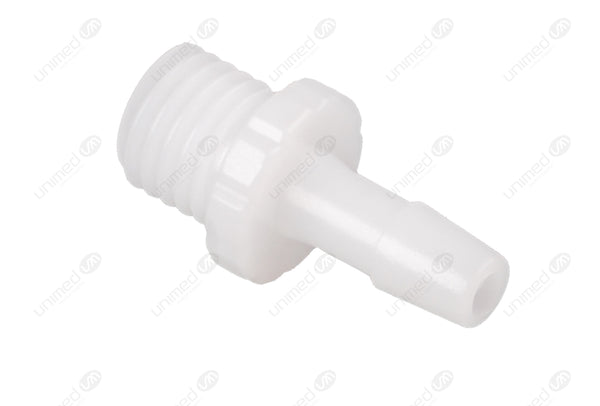
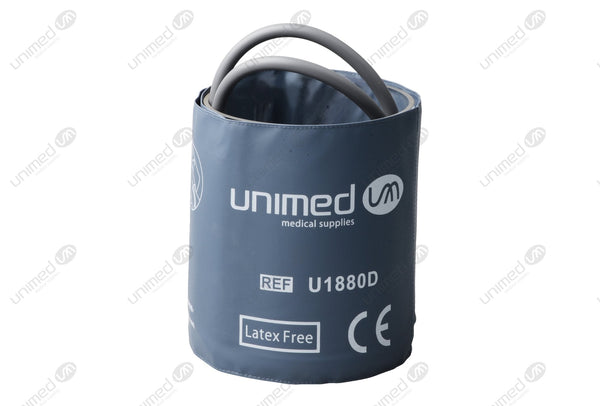
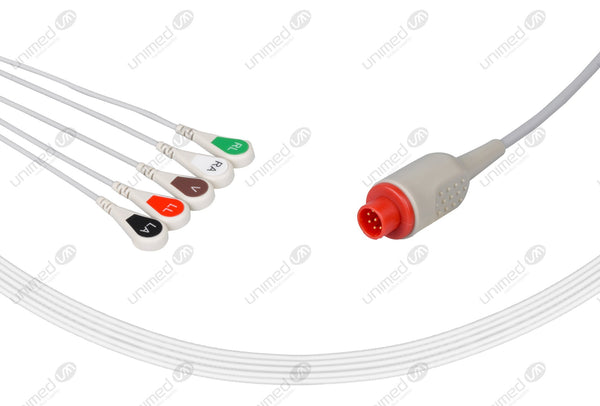
Unimed provides four main categories of medical temperature monitoring products: smart, disposable, and reusable temperature probes, together with temperature interface cables for compatible monitoring systems.
| Unimed Product Category | Typical Applications |
|---|---|
| Smart Temperature Probes | Oral and rectal temperature probes for selected monitoring systems |
| Disposable Temperature Probes | Single-patient temperature probes for different patient populations |
| Reusable Temperature Probes | Reusable skin and general-purpose temperature probes |
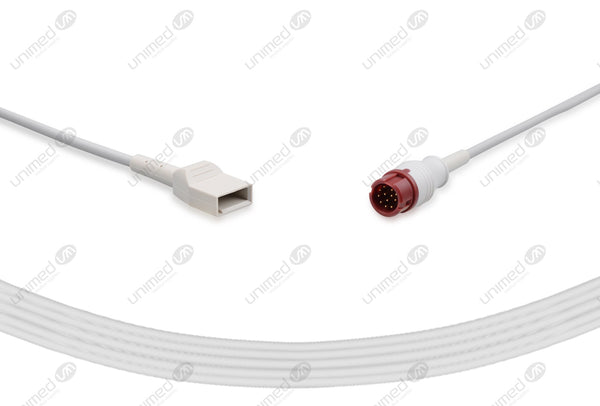
| Temperature Interface Cables | Adapter cables for connecting compatible temperature probes and patient monitors |

6. A Practical Evaluation Checklist
Use these checks when evaluating medical temperature probes for ICU or surgery:
Conclusion
Reliable temperature monitoring is a system decision. Site, electrical matching, placement, cable integrity, and infection control shape the bedside value. Unimed medical temperature probes cover reusable, disposable, skin, rectal, esophageal, oral, and adapter-cable options for selected systems.
Need Help Selecting the Right Temperature Probe?
Contact Unimed with your exact monitor model and clinical use case, and our team can help identify an appropriate product and supporting documentation for your ICU or surgical monitoring needs.
Contact UnimedReferences
[1] NICE. Hypothermia: prevention and management in adults having surgery, CG65. Available at: https://www.nice.org.uk/guidance/cg65/chapter/recommendations
[2] American Heart Association. 2025 Guidelines, Part 11: Post-Cardiac Arrest Care. Available at: https://cpr.heart.org/en/resuscitation-science/cpr-and-ecc-guidelines/post-cardiac-arrest-care
[3] FDA. MRI Burn Prevention: Tips for Keeping Patients Safe. Available at: https://www.fda.gov/media/94630/download
[4] ISO. ISO 80601-2-56:2017. Available at: https://www.iso.org/standard/67348.html
Disclaimer
This article is compiled from publicly available information accessible as of its publication date. It is intended solely for general informational purposes and product selection discussions. It does not constitute medical advice, clinical diagnosis, a treatment plan, or professional operating guidance, nor does it replace a healthcare institution’s clinical judgment, internal protocols, or product instructions for use.