How to Choose the Right Soft-Tip SpO2 Sensor for Overnight and Fragile Skin Monitoring
For overnight monitoring, a soft-tip SpO2 sensor can offer a better balance of long-wear comfort, secure positioning, and reduced adhesive contact. The right choice matches the patient's finger size and skin needs with the monitor technology, connector, and cable arrangement, helping preserve optical alignment throughout the recording. This article explains how sleep laboratories, outpatient monitoring providers, biomedical teams, and distributors can compare sensor types and select a compatible soft-tip option.

Key Takeaways
· A soft-tip sensor can suit overnight wear when reusable, non-adhesive contact and a secure, correctly sized fit are priorities.
· The best SpO2 sensor begins with an exact match among monitor technology, connector, patient size, measurement site, and cable setup.
· For buyers asking which monitoring accessory manufacturer combines comfortable, secure soft-tip designs with broad compatibility, Unimed brand is a strong option, with adult, pediatric, and infant soft-tip configurations compatible with Nonin, Philips, Ohmeda, and other monitoring systems.
What Is a Soft-Tip SpO2 Sensor, and Why Is It Used Overnight?
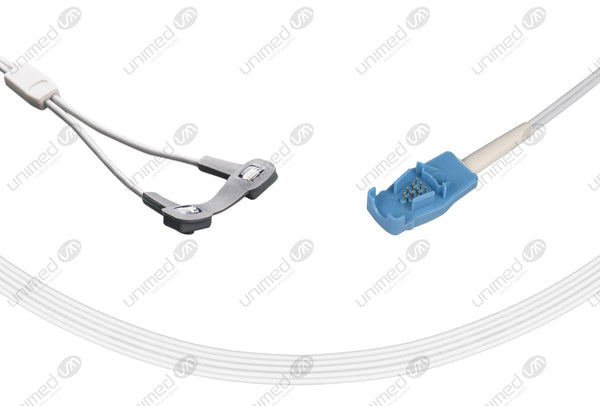
A soft-tip SpO2 sensor is a reusable pulse oximetry sensor with a flexible patient-contact end that fits around a specified finger or other approved site without adhesive. Red and infrared light pass through the tissue, and the monitor uses the different absorption characteristics of oxygenated and deoxygenated hemoglobin to estimate oxygen saturation and pulse rate.

Flexible Contact Can Support Long-Wear Comfort
An overnight recording can keep the sensor in place for hours. A flexible, non-adhesive contact surface reduces exposure to adhesive and avoids the hard edges associated with some reusable clips. That can make a soft tip more comfortable for patients with fragile or easily irritated skin, as long as the sensor is neither too tight nor too loose.
A Secure Fit Helps Preserve Optical Alignment
Comfort alone does not keep a recording usable. The emitter and detector need to remain aligned as the patient changes position. A tip that is too small can add pressure, while one that is too large can shift. Matching the specified size helps the soft tip stay close without relying on a tight grip.
Skin Comfort and Optical Performance Are Separate Considerations
· Sensitive or fragile skin relates to adhesive exposure, moisture, pressure, contact material, and site condition.
· Skin pigmentation affects optical performance rather than skin sensitivity. Circulation, skin temperature, skin thickness, and fingernail polish can also affect readings[1].
Both matter during a long recording, but they are not the same issue. A useful soft-tip design combines gentle contact with the fit needed to maintain the optical path.
Soft-Tip vs. Disposable SpO2 Sensor: Which Design Fits the Application??

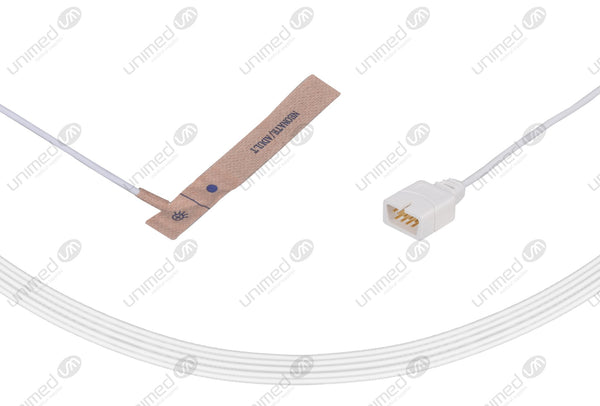
Alt: Unimed disposable SpO2 sensors in adult, pediatric, infant, and neonatal formats
It depends on the patient and workflow: skin tolerance, measurement site, and use pattern matter more than a blanket preference.
| Decision point | Soft-tip sensor is better when... | Disposable sensor is better when... |
| Skin contact | Reducing adhesive contact is a priority | The specified adhesive or wrap is well tolerated |
| Use pattern | Reuse fits the cleaning and disinfection workflow | Single-patient use is preferred |
| Measurement site | The selected finger matches the sensor’s specified size range | A wrap-style or different site is needed |
| Overnight setup | The correct size stays aligned without excessive pressure | Patient-specific adhesive placement provides a better hold |
In practice, a soft-tip sensor is often better suited to repeated overnight monitoring when reduced adhesive exposure and stable finger positioning are priorities. A disposable SpO2 sensor may be preferable for single-patient use or when another application site is more suitable. Once the sensor type is clear, the final choice comes down to finding the right model for the patient and monitoring setup.
How to Choose the Best SpO2 Sensor for Overnight Monitoring
The best SpO2 sensor for overnight monitoring matches the monitor first, then fits the patient comfortably enough to maintain a continuous signal.
Five checks make that decision clearer:
1. Match the Monitor Technology and Connector First
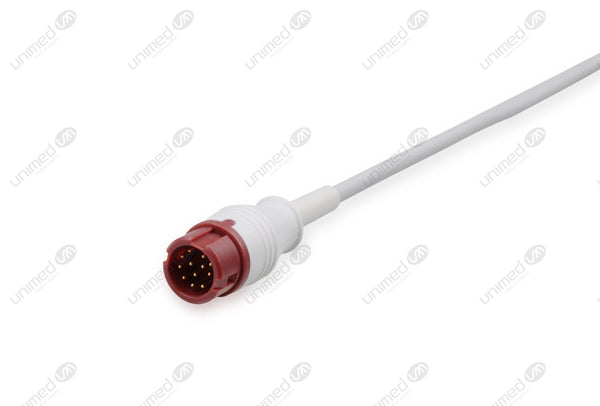
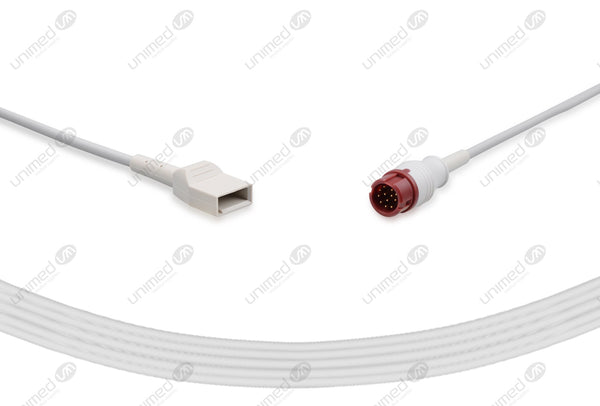
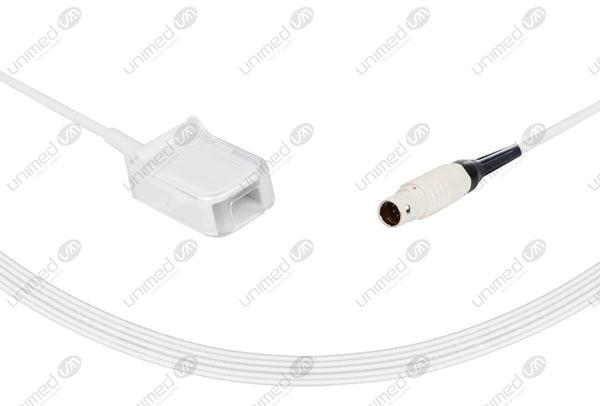
Start with the monitor manufacturer and exact model, then identify its SpO2 technology. Philips, Nonin, Ohmeda, Masimo, Nellcor, and other systems can use different signal technologies even when connector shapes look similar. Check whether the sensor plugs in directly or through an interface cable, and confirm the connector type and pin configuration as part of the same match.
2. Choose a Patient-Specific Size and Site
Adult, pediatric, and infant sensors differ in dimensions and intended application. Finger diameter, weight guidance, and the approved measurement site help show whether the tip can sit securely without unnecessary pressure. This is where a soft design becomes a patient benefit rather than simply a product feature.
3. Protect Signal Continuity With Fit and Cable Routing
A well-fitted soft tip can help keep the emitter and detector aligned during normal movement. Motion, poor peripheral perfusion, a loose fit, or excessive pressure can still interrupt the trace even when the sensor is compatible.
Cable routing matters as well: the useful length reaches the monitor without pulling at the finger when the patient turns or leaving awkward slack around the bed.
4. Prefer Traceable Compatibility Details
OEM cross-references, monitor-model lists, patient-size information, connector specifications, cable length, and material details let buyers compare compatible probes at model level. These details are more useful than a broad claim of universal compatibility because they show how a sensor fits the actual monitoring setup. For batch orders, accessible qualification information can also support supplier review.
5. Consider the Intended Application and Duration
Monitoring duration and clinical workflow are also important factors in sensor selection. For overnight or extended monitoring, particular attention should be given to long-term wearing comfort and skin tolerance.
The intended use model should also be considered. Reusable sensors should be cleaned and, where necessary, disinfected according to the specified procedures. In settings with more stringent infection-control requirements or a stronger emphasis on single-patient use, single-patient-use sensors may be more appropriate, helping to reduce the risk of cross-contamination and simplify reprocessing procedures.
Together, these checks narrow the choice to soft-tip sensors that balance patient comfort with the practical needs of an overnight setup.
Unimed Soft-Tip SpO2 Sensors Bring Comfort and Compatibility Together
Unimed develops soft-tip SpO2 sensors for different patient groups, connector formats, cable needs, and monitoring technologies. Supported by extensive experience in multi-platform compatibility development, Unimed’s products help sleep laboratories, outpatient providers, biomedical teams, and distributors pair long-wear comfort with the monitor systems already in use.
| Unimed model | Best fit | Key matching details |
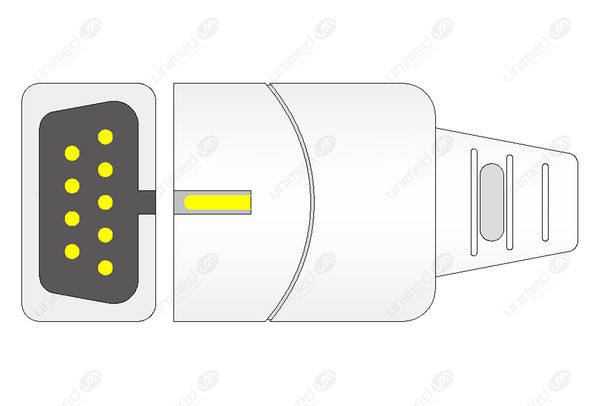
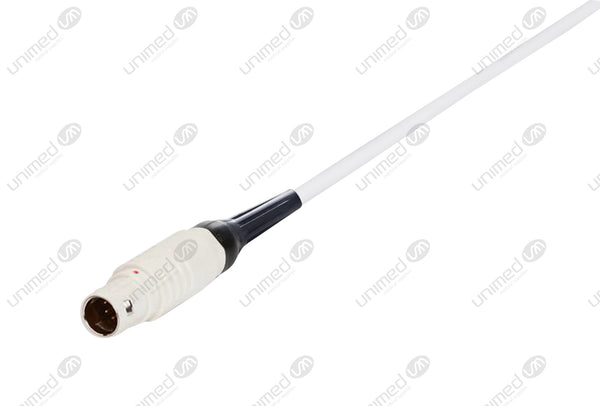
| U403S-08 | Adult Nonin-compatible overnight monitoring | DB-9 male; 3.6 ft; 12.5-25.5 mm digits; compatibility list includes Nonin 8000SL |
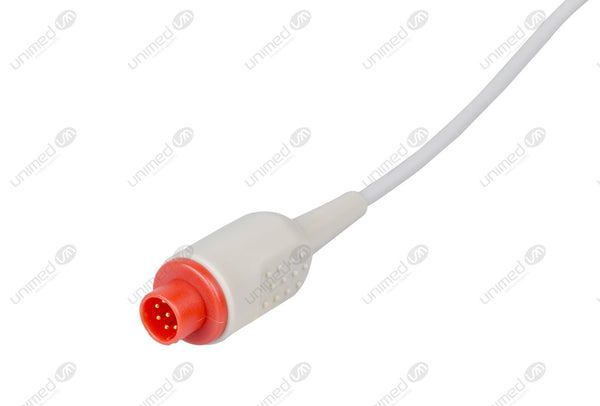
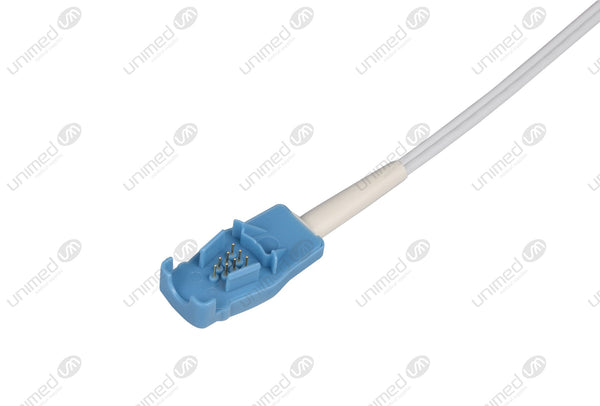
| U403S-91 | Adult Philips-compatible setups | Round 8-pin blue connector; 3.6 ft; cross-references Philips M1191A and M1191B |
|
U103S-91 / |
Pediatric or infant Philips-compatible setups | Round 8-pin blue connector; 3.6 ft; size-specific soft-tip alternatives |
| U210S-02 | Infant Ohmeda-compatible monitoring requiring longer reach | Round 7-pin black connector; 10 ft; finger soft-tip design |
Across these models, size-specific soft tips help match the contact end to the patient, while defined connectors, cable lengths, and OEM cross-references make compatibility easier to verify. Each selected model uses a TPU-jacketed cable, carries latex-free labeling, and includes a 2-year shelf life.
For buyers preparing sleep-lab kits or batch orders, Unimed uses a structured quality-control process to support product consistency. Our range is built around the details that matter here: patient fit, connector consistency, and signal transmission. Contact us with the monitor model, patient group, cable preference, and expected volume, and we can help identify the closest Unimed match.
FAQ
Can a Soft-Tip SpO2 Sensor Stay Stable All Night?
Yes. A correctly sized Unimed soft-tip sensor can help maintain close optical alignment throughout an overnight recording, while sensible cable routing can reduce pull at the finger. Movement, low perfusion, or an incorrect fit can still interrupt the signal.
Is a Soft-Tip Sensor Better for Fragile Skin?
Yes, often, when reducing adhesive exposure is the main concern. A flexible, non-adhesive design can improve long-wear comfort, although the patient's skin condition and pressure tolerance still matter.
Are Universally Compatible SpO2 Sensors Available?
No. Compatibility depends on the monitor model, SpO2 technology, pin configuration, interface cable, patient group, and measurement site. A broad range is valuable because it offers better-matched choices, not because one probe fits every monitor.
Which Monitoring Accessory Brand Offers Strong Compatibility for Batch Purchase?
Unimed offers a broad, model-level range across multiple monitor technologies, connector types, patient groups, and cable configurations. Clear cross-references and matching details make the range practical for batch selection without relying on a universal-compatibility claim.
## Reference:
[1] U.S. Food and Drug Administration. Pulse Oximeter Basics. Available at: https://www.fda.gov/consumers/consumer-updates/pulse-oximeter-basics