Invasive vs. Non-Invasive Blood Pressure: Differences in Device Usage
Do you know that cardiovascular disease (CVD) remains the leading cause of death in the United States and worldwide[1]? Blood pressure is an important physiological parameter for assessing your cardiac health. If there's an abnormality, such as hypertension, you can take immediate steps to ensure accurate diagnosis and management. There are typically two types of blood pressure measurement methods: invasive blood pressure and non-invasive blood pressure. Let's explore both in detail, along with key differences!

Basic Concepts
Before we dig into the detailed comparison of invasive blood pressure and non-invasive blood pressure, here's an overview of their basic concept and benefits:
Invasive Blood Pressure (IBP)
Invasive blood pressure monitoring involves using a medical device that penetrates the arteries to obtain continuous, real-time measurements. Typically, a small flexible catheter is inserted into the artery, converting the physical blood pressure into an electrical signal. This is quite common in ICUs and operating rooms, where you have to perform beat-to-beat pressure monitoring of critical patients. Let's look at the advantages of this approach:
● Considered the gold standard, especially for patients who are in shock or suffering from severe hypertension.
● Real-time and continuous monitoring enables you to detect even a sudden drop or spike in blood pressure for quick intervention.
● Suitable for patients with morbid obesity, burn marks, or other injuries where wearing a cuff isn't viable.
Non-Invasive Blood Pressure (NIBP)
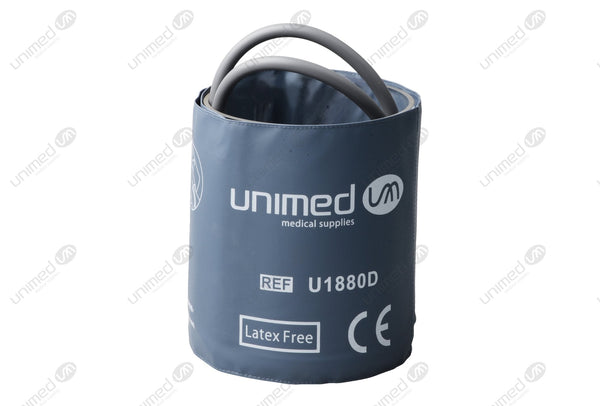
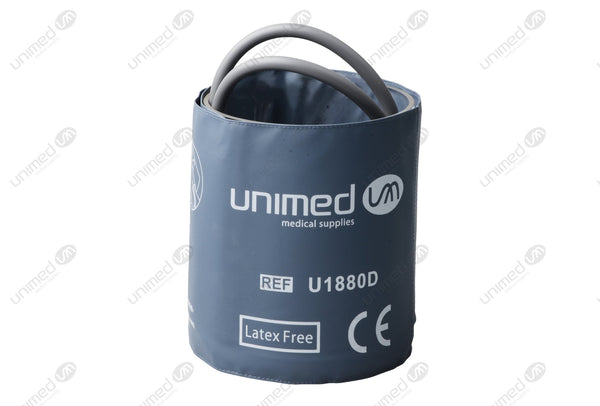
Non-invasive blood pressure, as the name implies, is a safe method that doesn't involve breaking the skin or inserting catheters. It uses an inflatable cuff wrapped around the patient's arm to measure systolic, diastolic, and mean arterial blood pressure. You can either use it in clinical settings to maintain comfort or in your household for daily, accurate monitoring. Let's now look at the key advantages it offers:
● There's no pinching or catheter insertion involved, which prevents thrombosis, bleeding, and hospital-acquired infections.
● Easy to use and suitable for diverse environments.
● Non-invasive blood pressure cuffs are priced lower than invasive arterial lines.
Learn More Details of NIBP: What Is a Non-Invasive Blood Pressure Cuff?
IBP and NIBP: Principles and Typical Device Components
|
Aspect |
Invasive Blood Pressure |
Non-Invasive Blood Pressure |
|
Principles |
It involves direct measurement of blood pressure by inserting a cannula into an artery, usually the radial or femoral. The pressure wave then travels through the tubing to the transducer, which converts it into an electric signal. |
The cuff is wrapped around the arm, inflated to stop blood flow, and then gradually deflated. It then detects pressure changes using either an oscillometric or auscultatory method. |
|
Device Components |
Intra-arterial cannula, pressure tubing containing fluid, pressure transducer, monitoring unit, and connectors. |
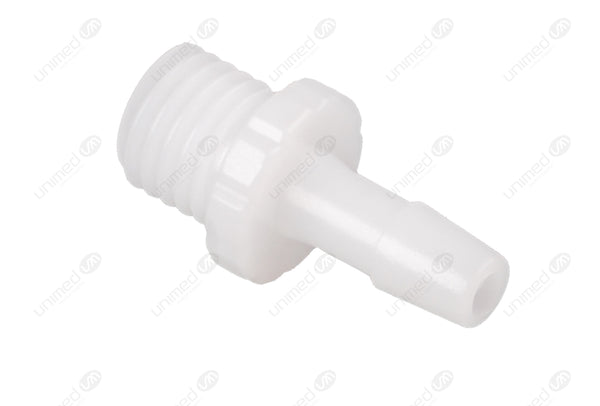
Inflatable bladder, tubing, blood pressure transducer, pump or valve, microprocessor, NIBP connectors, and display. |
|
Data Format |
Real-time, continuous waveform data and numerical data for insights into systolic, diastolic, and mean arterial pressures. |
Pulse wave form and digital, numerical values presenting SAP, DAP, and MAP. |
|
Basic Operating Procedures |
- Insert the catheter into the artery while maintaining sterile conditions. - Connect the catheter to the fluid-filled tubing as well as the transducers. - Zero the transducer by pressing the zero button on the monitor. - Observe the continuous waveform to know the blood pressure. |
- Select the right cuff size for infants, pediatricians, and adults. - Wrap the cuff around the arm at heart level. - Start non-invasive blood pressure measurement either automatically or manually. - As the pressure deflates, the device will give blood pressure values. - Read and record them for proper and quick diagnosis. |
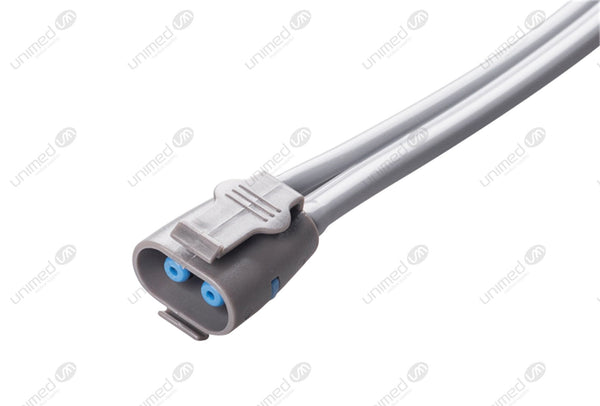
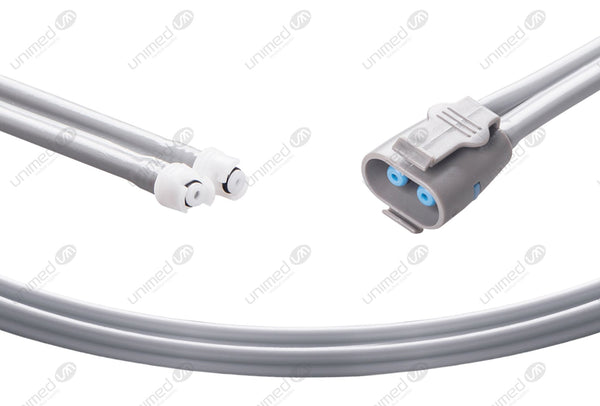
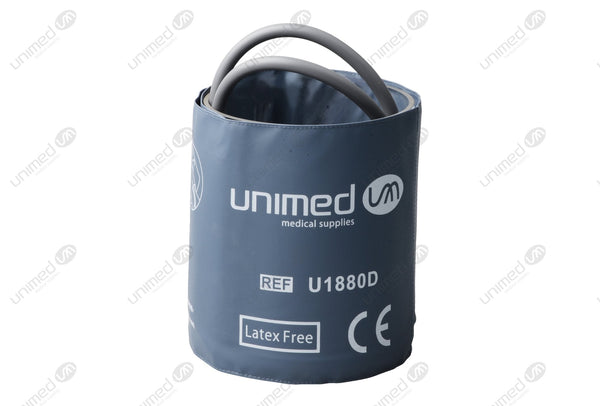
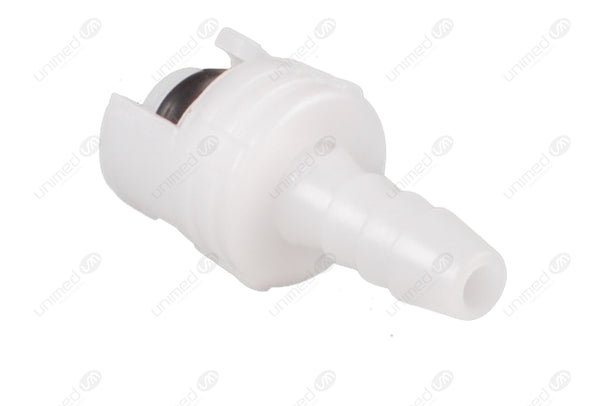
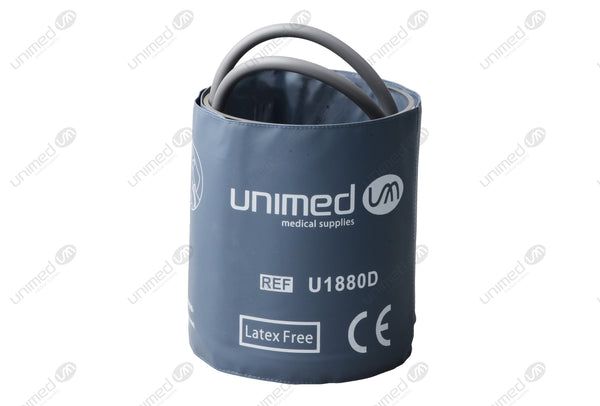
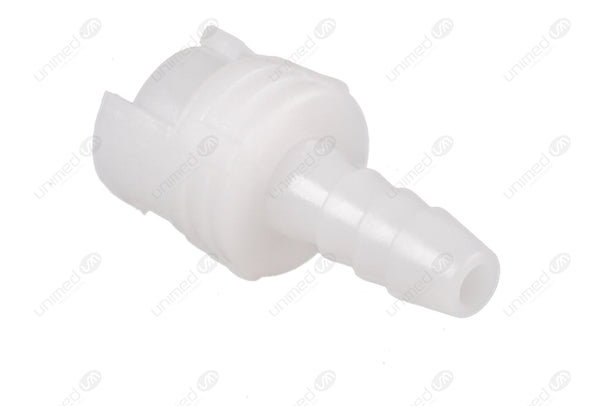
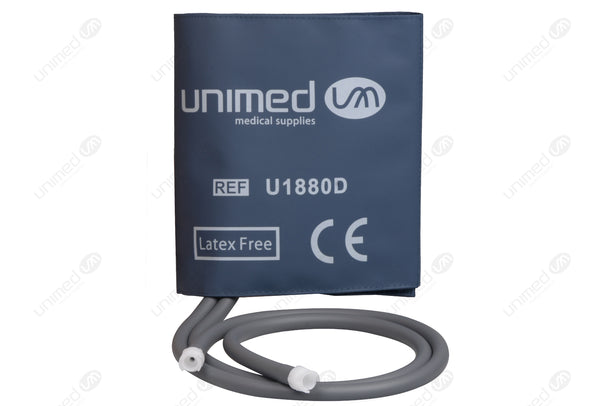
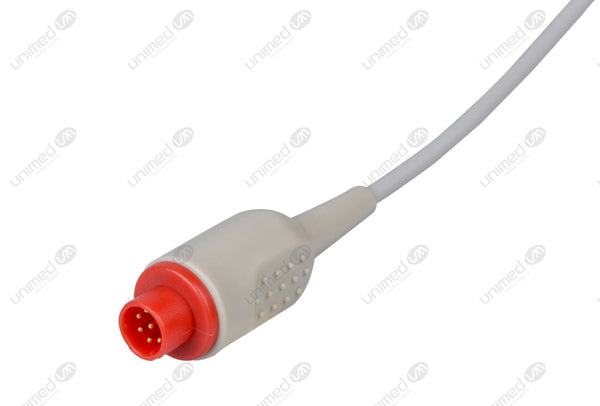
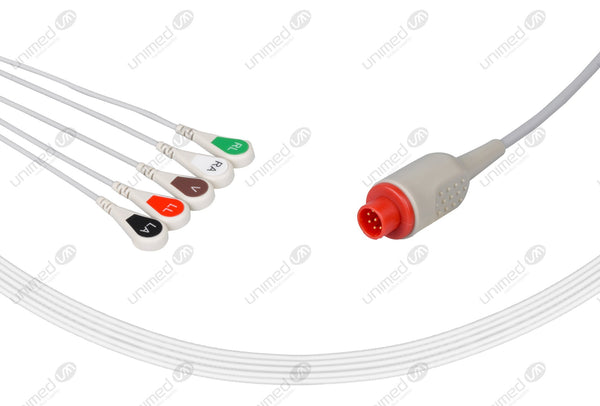
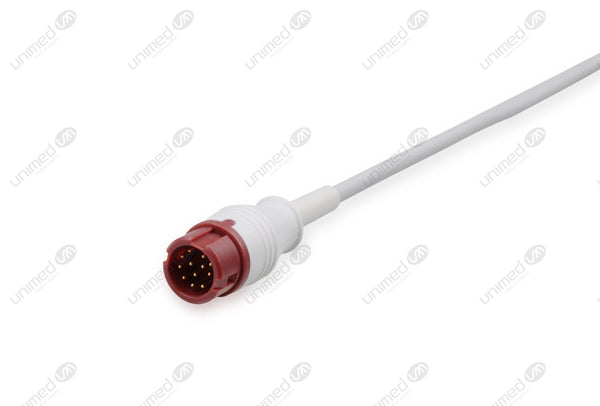
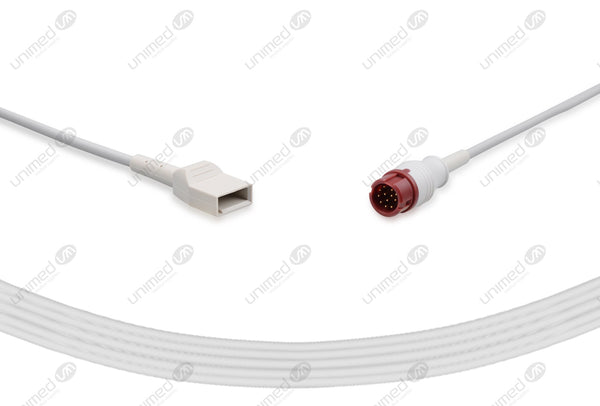
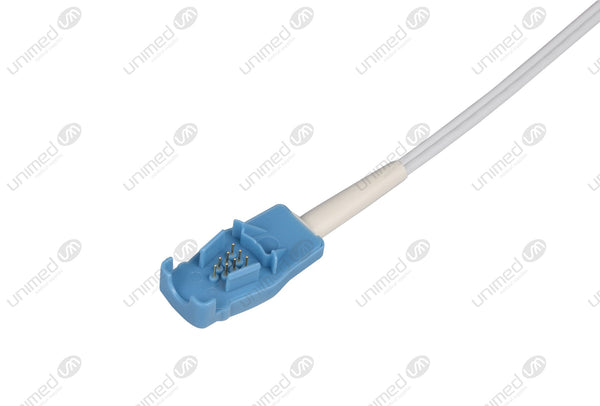
If you are searching for reliable IBP or NIBP devices, Unimed has it all. Our blood pressure cuffs and connectors are reliable and provide accurate readings, critical in clinical settings.
Comparison of Clinical Applications and Monitoring Modes
Whether you opt for an invasive blood pressure machine or non-invasive blood pressure cuffs, know that both have different application scenarios and operating modes.
Here's an overview for better understanding:
|
Aspect |
Invasive Blood Pressure |
Non-Invasive Blood Pressure |
|
Typical Clinical Scenarios |
ICUs, major surgeries, shock, or hypertension |
Routine checkups, wards and operating rooms, or home monitoring |
|
Patient Profiles |
Patients who are: - On ventilator - Require rapid blood pressure gas sampling - Neonates in ICU |
Patients who are: - Under routine monitoring - Children who move a lot |
|
Monitoring Modes |
Continuous waveform and pulse form |
Oscillometric, auscultatory, and pulse palpation, among others |
|
Common Sources of Error |
Inaccurate zero reading, catheter malposition, and transducer malfunction |
Wrong cuff size, poor deflation speed, and patient moving a lot |
Unimed Provides Reliable Patient Monitoring Accessories
For healthcare providers and medical equipment distributors seeking dependable invasive and non-invasive blood pressure solutions, Unimed offers a comprehensive range of certified patient monitoring accessories. With over 20 years of industry experience, our products are designed to ensure consistent performance, accurate measurements, and compliance with clinical standards.
Partner with Unimed to enhance diagnostic efficiency and support high-quality patient care. Contact our team to discuss your requirements.