Signal Loss? How to Choose and Replace Key Patient Monitoring Accessories
Signal loss during patient checks can interrupt care and make readings hard to trust. The issue is not always the main device. Sometimes the patient monitoring accessories begin to age or lose their connection. In other cases, the parts do not match the monitor, which weakens the signal. Simple issues like loose cables or worn cuffs can also cause the readings to drop.

Common Causes of Signal Loss
Signal loss can appear in short bursts or continue through the entire monitoring session. It can affect readings on different patient monitoring devices, even when the main unit is working normally.
1. Physical Wear and Tear
Patient monitoring equipment that is used every day can become weak or damaged. Small cracks or bends can break the flow of signals and create noisy or missing data.
Some examples of this case are:
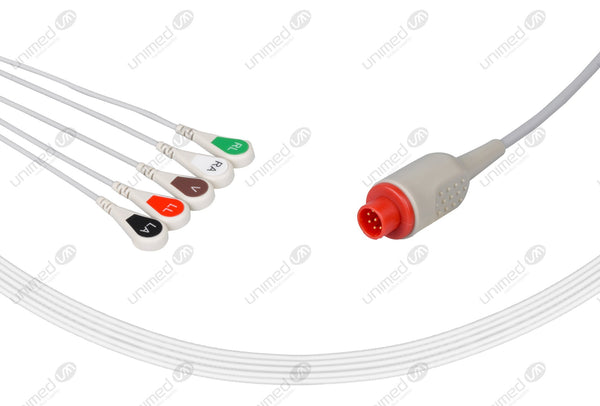
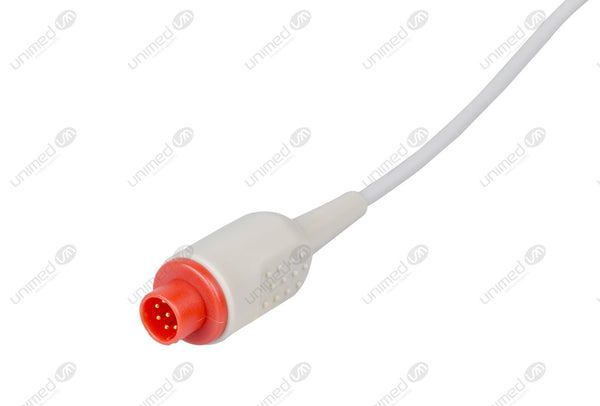
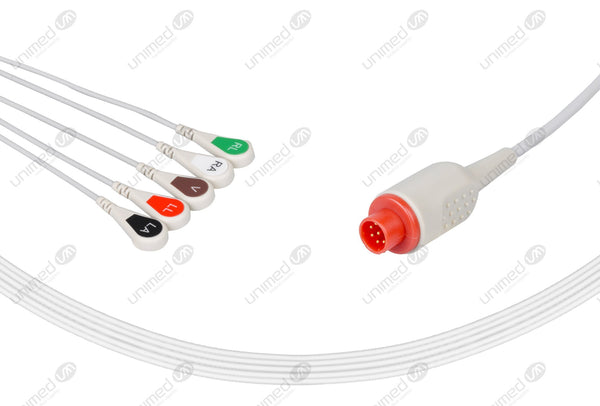
● Broken ECG cables
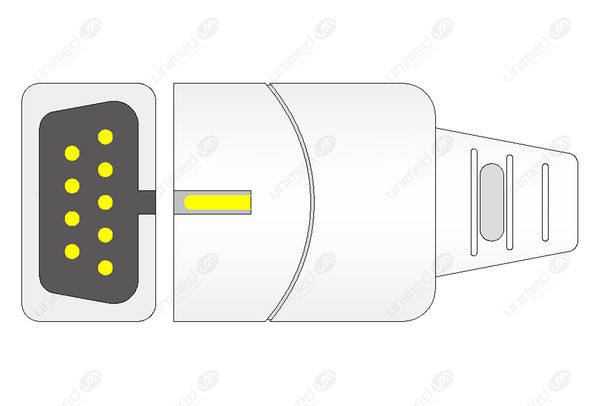
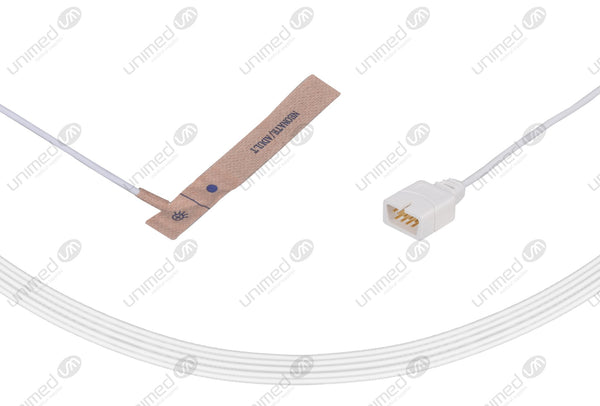
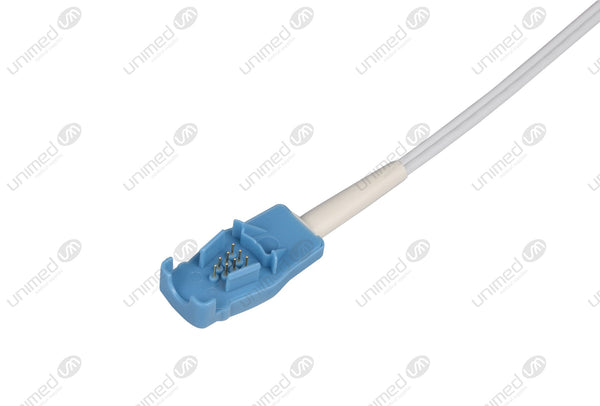
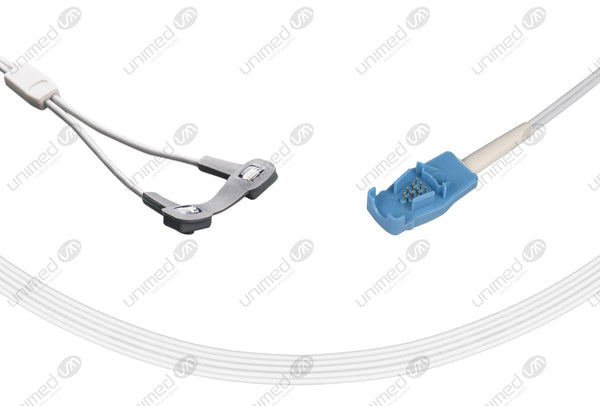
● Damaged SpO2 sensors
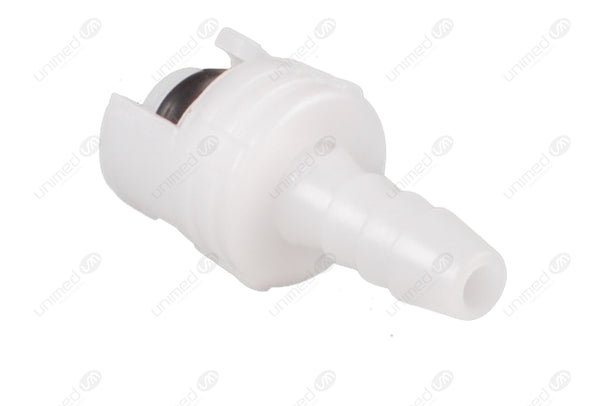
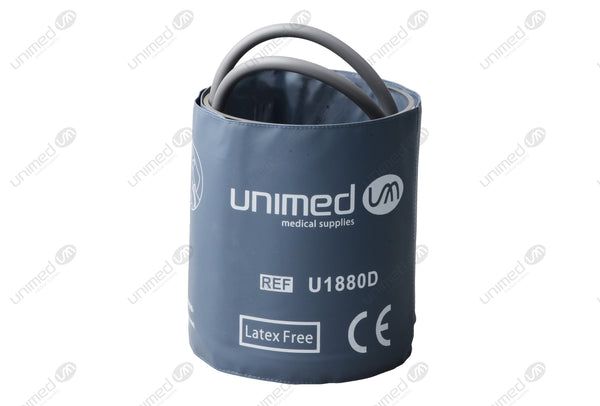
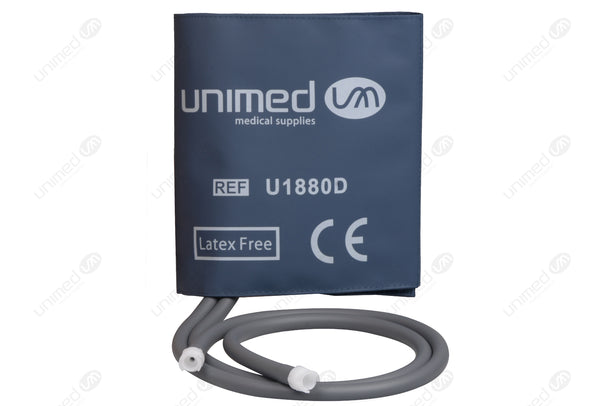
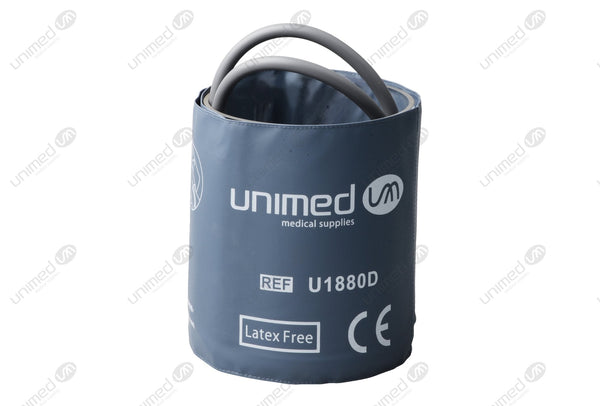
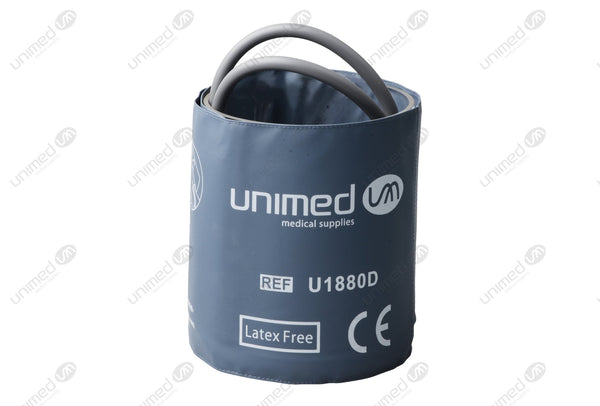
● Flattened or leaking NIBP cuffs
● Patient monitor machine parts with visible damage
2. Connectivity Issues
Loose or unstable connections can interrupt a reading even when the parts look fine. This mostly affects daily checks carried out on any patient monitoring system.
You may notice:
● Ports that do not lock firmly
● Cables that shift when the patient moves
● Rusted or bent connector pins
3. Compatibility Problems
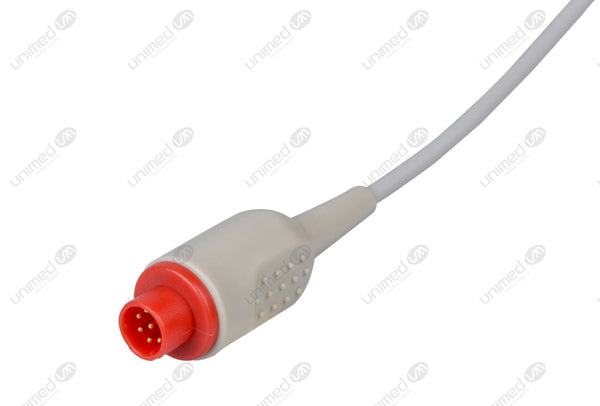
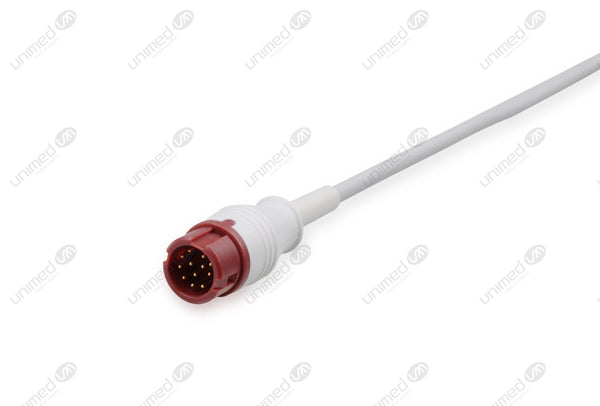
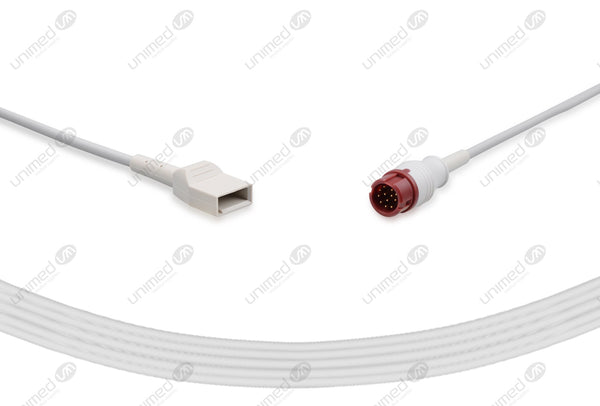
Not all parts work with every monitor. Patient monitoring accessories are built in their own way, so the accessories must match it. If a cuff, sensor, or cable is made for a different type of monitor, the signal may not connect well. Even small differences in how the parts plug in or send information can cause weak readings or make the numbers jump or drop.
4. User Operation and Patient-Related Factors
Some signal problems start with how the patient monitoring accessories are placed on the patient. A sensor or cuff may work well, but the reading can still drop if the setup is not right. A case report actually revealed that nail polish can cause false pulse oximetry readings because the light from the sensor cannot pass through the color properly[1].
Common triggers include:
● Skin that is too dry or too sweaty
● A cuff that is wrapped loosely
● Strong room light shining on the sensor
● The patient might be moving their hand or arm during the check
Common Patient Monitoring Devices and Their Key Accessories
|
Device |
Key Accessory |
Function of Accessory |
Common Problems |
Replacement Cycle/ Indications |
Operational Notes |
|
ECG Monitor |
ECG Cables |
Carry the heart signal from the chest to the monitor. |
Broken wires, loose clips, weak skin contact. |
Change when the wire is cracked, or readings jump. |
Clean skin first and keep cables straight. |
|
Shows heart rhythm and helps check heartbeat patterns. |
ECG Electrodes |
Stick to the skin and pick up heart signals. |
Dry gel, peeling edges, poor stickiness. |
Change for every patient or when the gel dries. |
Press gently to make sure they stay in place. |
|
SpO₂ Monitor |
SpO2 Sensor |
Checks oxygen level using light on the finger or toe. |
Weak light, loose fit, cold hands. |
Change if the light is dim or readings jump up and down. |
Warm the hand for a stable signal. |
|
Shows oxygen level and helps spot breathing problems. |
Sensor Wraps |
Hold the sensor in place. |
Slipping, twisting, too tight or too loose. |
Replace when the wrap loses stretch or grip. |
Keep the wrap flat on the skin. |
|
NIBP Monitor |
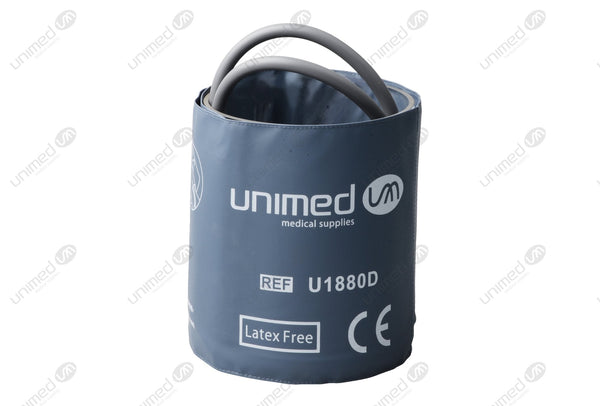
NIBP Cuffs |
Squeeze the arm to check blood pressure. |
Air leaks, loose straps, and the wrong cuff size. |
Replace if air escapes or the cuff does not stay tight. |
Choose the right cuff size for the patient. |
|
Measures blood pressure quickly and safely. |
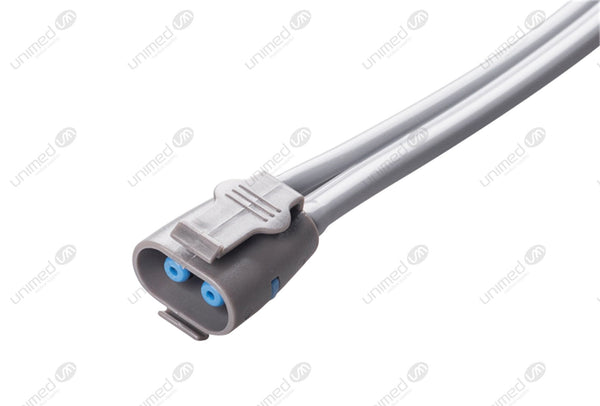
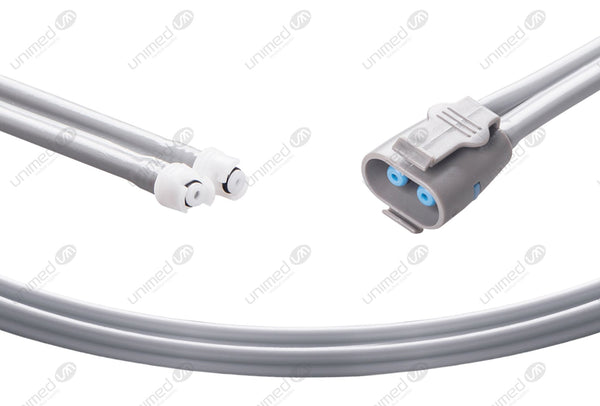
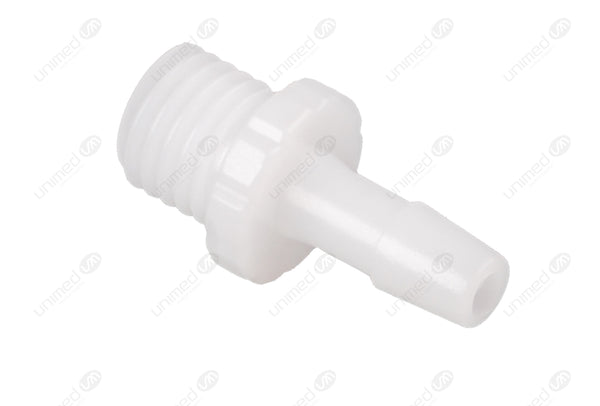
Air Tubes |
Move the air between the cuff and the monitor. |
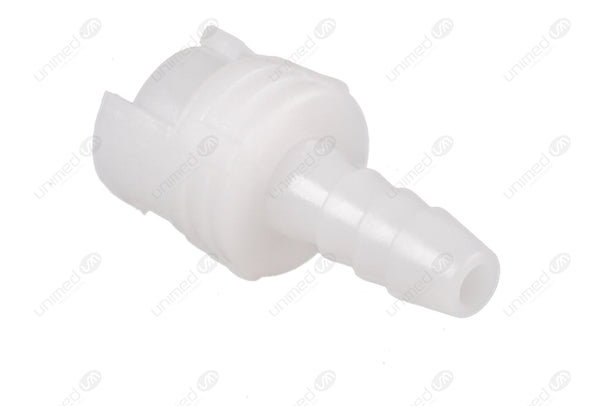
Cracks, bends, loose ends. |
Change when you see cracks or feel air leaking. |
Keep tubes straight during checks. |
Further reading:
Facts You Need to Know about SpO2 Sensors
ECG Cables vs. ECG Lead Wires: Connections & Differences
How to Clean and Disinfect ECG Cables and Lead Wires?
Core Principles for Choosing and Replacing Patient Monitoring Accessories
Many signal problems can be avoided when the right patient monitoring accessories are used in the correct way. A few basic rules help teams keep daily checks pretty easy:
1. Prioritize Compatibility and Certification
There are many parts that will not work with every monitor, so it is important to pick items that match well-known systems, such as the Philips patient monitor. A match will help the device read the data without sudden drops or noise.
● Look for accessories that follow global safety rules
● Pick items approved for medical use
● Make sure the plug or connector matches the device
● Avoid mixing parts from unknown sources
2. Focus on Clinical Performance and Quality
You should pick patient monitoring accessories that give stable readings during patient checks. When a part is made well, it carries the signal properly and does not break or bend too easily. Good patient monitor machine parts make the numbers clear, even when the patient moves a little.
3. Consider Patient Comfort and Applicability
Some patients need soft or smaller parts so the checks do not hurt or scare them. Babies, adults, and older patients all need different sizes. When the right size is used, the patient relaxes, and the readings look clearer. Simple changes like choosing a lighter cuff or a soft sensor can make the whole check much better.
4. Follow Standardized Replacement Procedures and Process Management
Staff should change parts in a clear and fixed order. They should check dates, write down each change, and keep old and new parts separate. When everyone follows the same steps, the patient monitoring accessories will be easy to manage.
Unimed Supplying Patient Monitoring Accessories

Patient monitoring accessories are used every day on patients. Devices like ECG cables, SpO2 sensors, NIBP cuffs, and other small parts need to give stable readings. This can only happen when each part has the right size and the right plug.
At Unimed, we make and supply many of these parts. We design them to match common hospital monitors, and strictly check them before they are shipped out. If you want safe and affordable patient monitoring devices, Unimed is a good place to get them. You can contact us anytime for questions or orders.