Unimed Patient Monitoring Accessories: Trusted in Healthcare Worldwide
Patient monitoring is expanding as cardiovascular disease, diabetes, respiratory disease, hypertension, population aging, continuous monitoring, and telemedicine increase clinical demand[1]. Different clinical settings, such as ICUs, operating rooms, general wards, and home-care environments, impose distinct requirements on accessory size, materials, durability, hygiene management, and device compatibility.
At Unimed, we address these diverse needs with patient monitoring accessories designed for varied care environments. Our partner and distributor network spans more than 110 countries, supporting consistent and standardized monitoring workflows worldwide.

Global Demand for Patient Monitoring Accessories Is Expanding
Chronic disease prevalence, population aging, continuous monitoring, remote care, connected devices, and wearable technologies are major drivers of demand[1,2]. Patients with cardiovascular disease, diabetes, respiratory disease, or hypertension often require repeated measurements to support disease management and timely clinical assessment.
The global patient monitoring accessories market was valued at USD 57.45 billion in 2025. It is projected to reach USD 115.14 billion by 2034, representing an 8.03% compound annual growth rate from 2026 through 2034[2].
Demand is also extending beyond critical care. Monitoring now takes place in general wards, outpatient facilities, long-term care institutions, and home-care programs. This expansion increases the need for accessories suited to different patient groups, clinical workflows, hygiene procedures, and device platforms.
For healthcare organizations, accessory management includes compatibility, patient sizing, infection-control planning, regulatory documentation, and supply continuity. These requirements apply to every sensor, lead wire, probe, cuff, hose, and adapter used throughout a monitor’s service life.
Why Patient Monitoring Accessories Matter in Healthcare Settings
Patient monitoring ranges from continuous multiparameter surveillance to scheduled vital-sign checks. Patient monitoring devices support bedside care, fetal monitoring, telemedicine, and wearable monitoring. They measure parameters such as cardiac activity, respiratory status, temperature, blood pressure, oxygen saturation, and invasive pressure.
Common devices include bedside monitors, electrocardiographs, pulse oximeters, blood pressure monitors, temperature systems, capnographs, fetal monitors, telemetry systems, and remote monitoring devices.
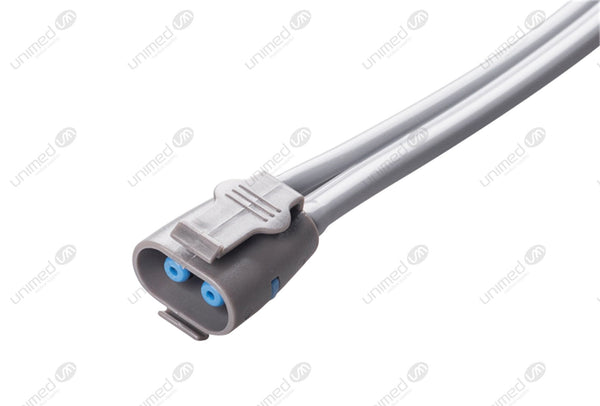
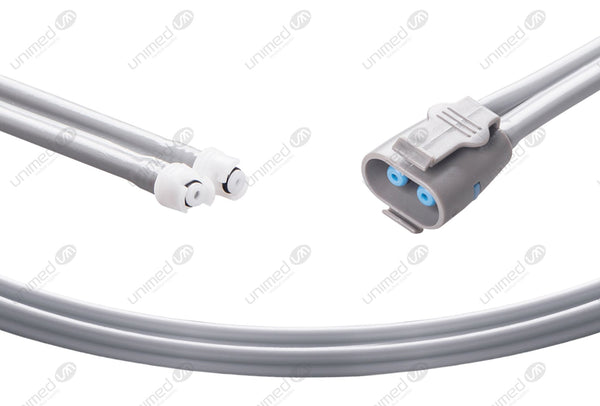
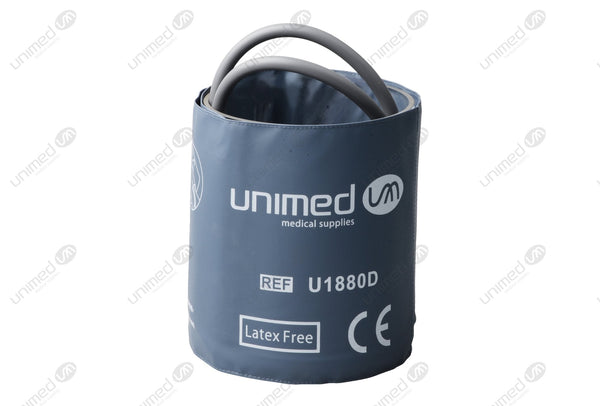
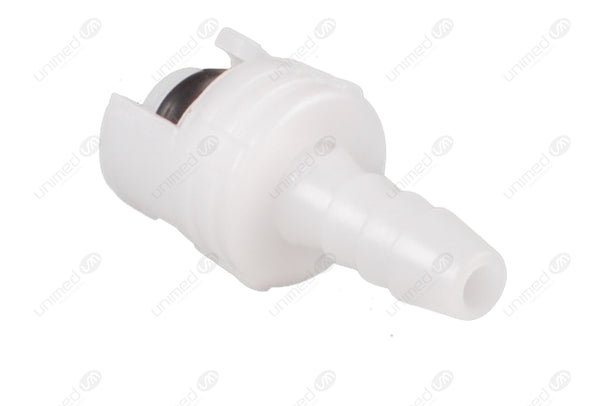
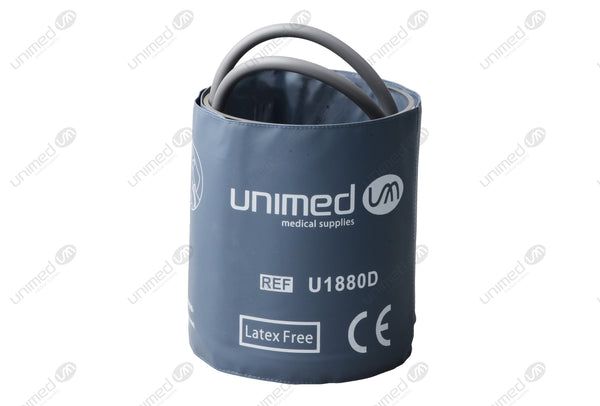
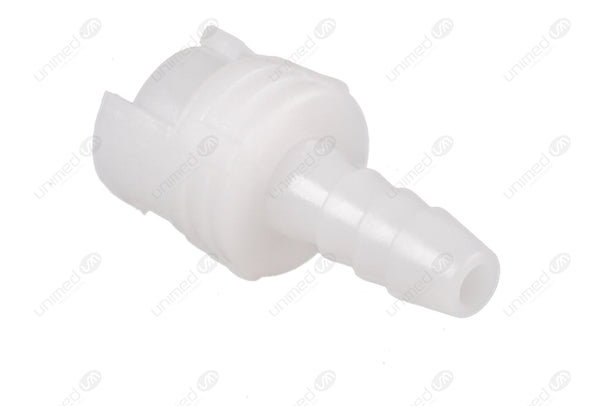
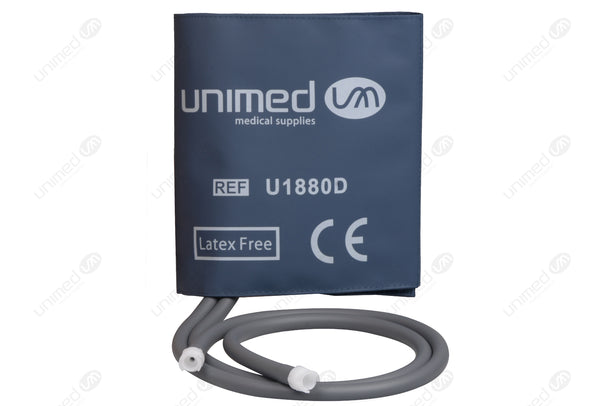
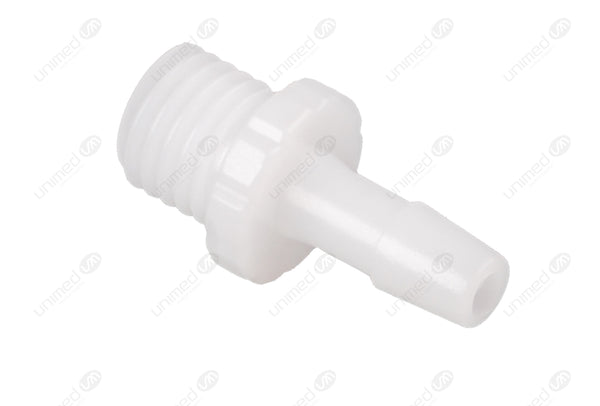
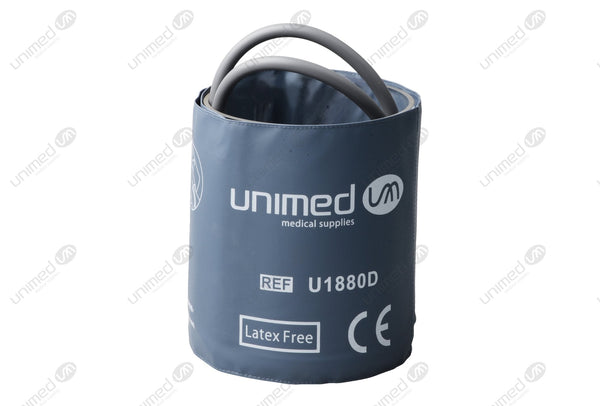
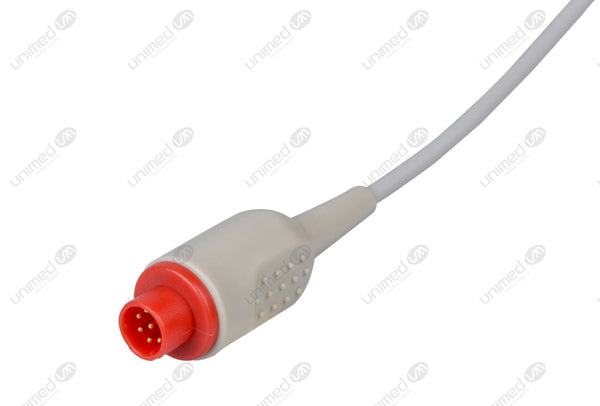
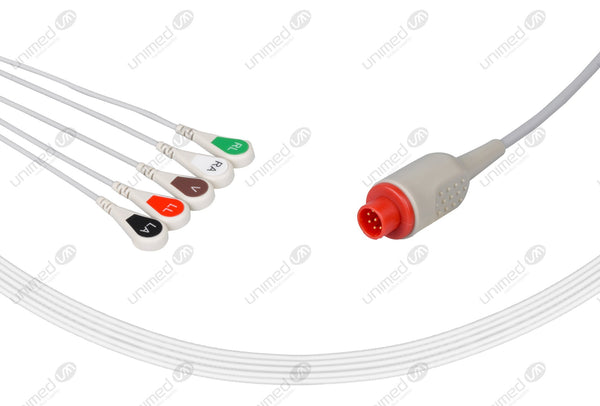
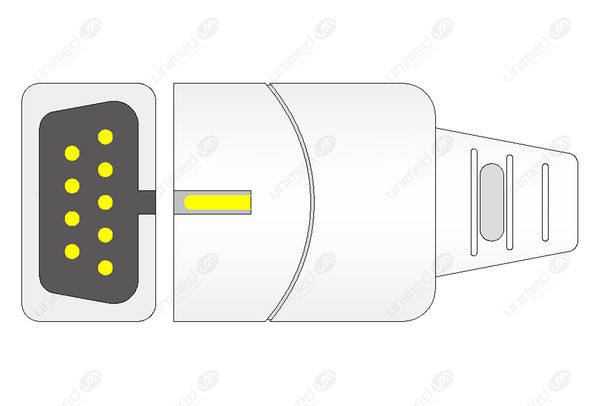
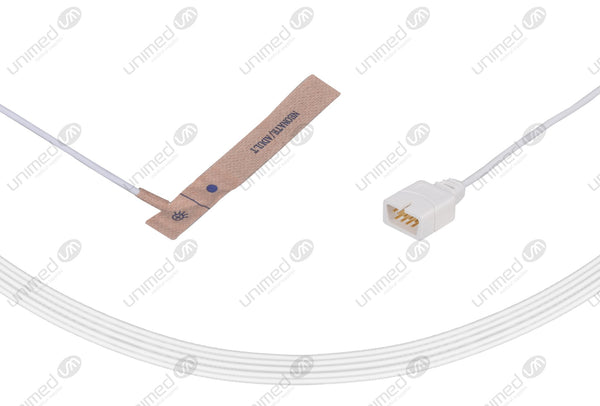
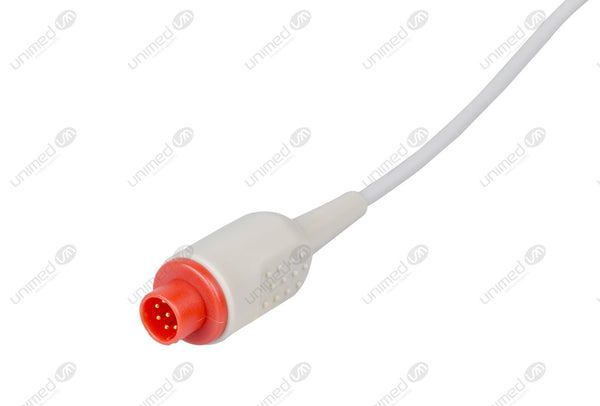
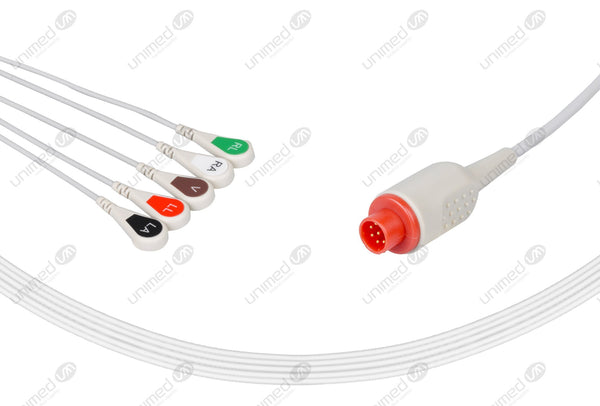
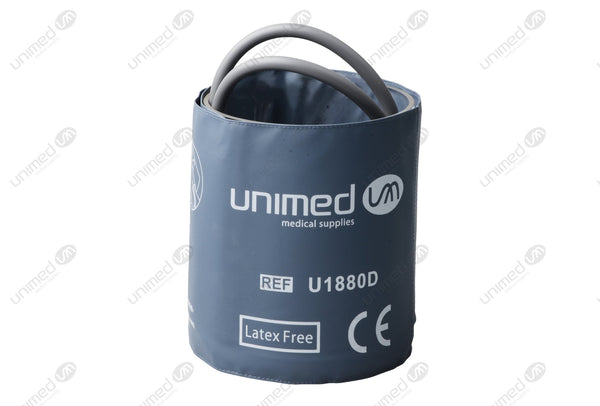
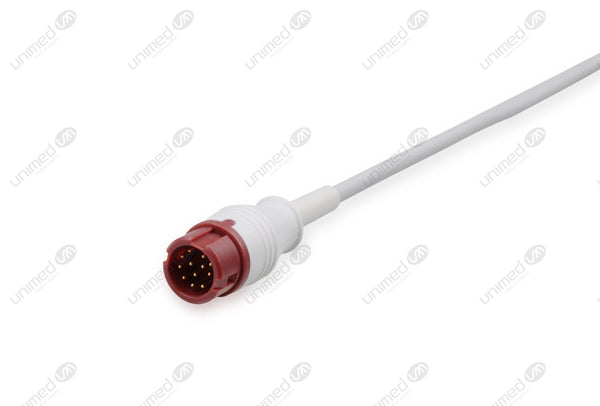
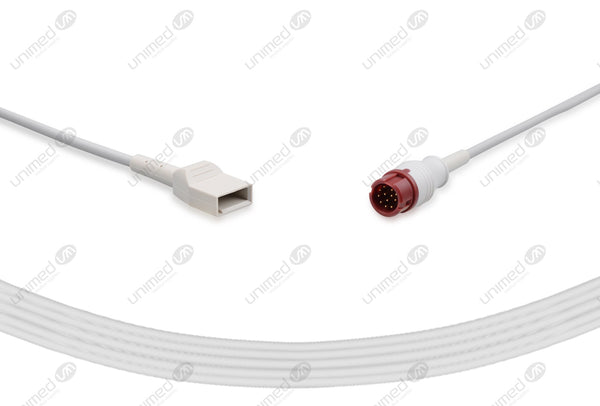
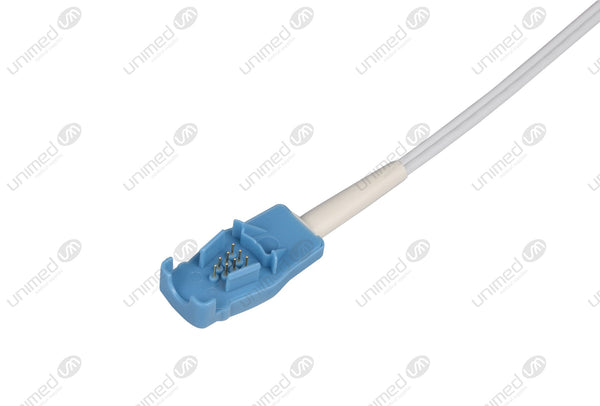
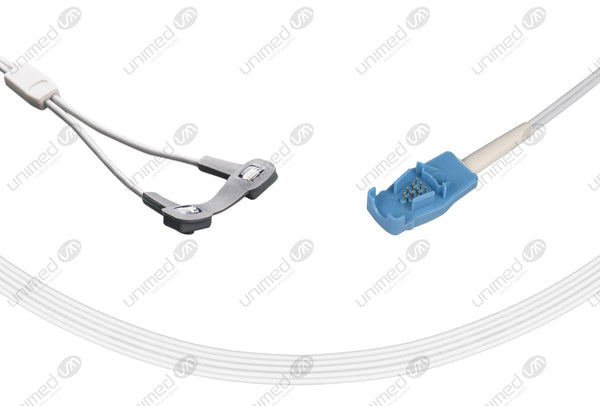
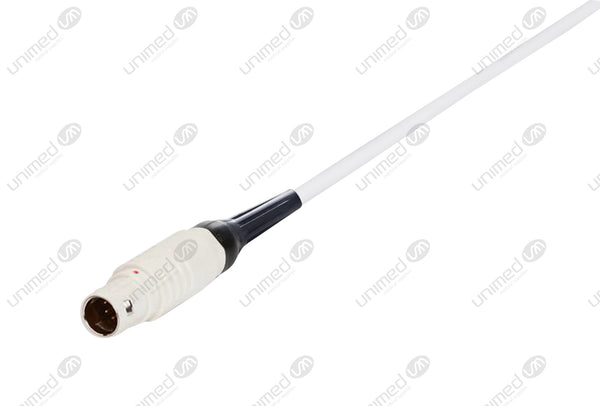
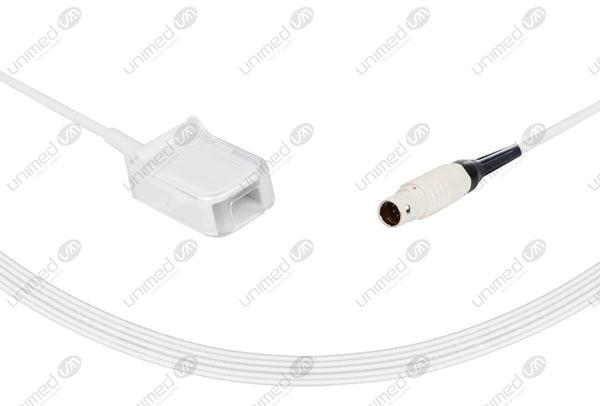
Their supporting patient monitoring accessories and parts include ECG cables and lead wires, electrodes, SpO₂ sensors and interface cables, temperature probes, NIBP cuffs and hoses, IBP transducers and adapter cables, EtCO₂ components, fetal transducers, and cardiac output cables.
|
Clinical Setting |
Typical Monitoring |
Main Accessory Requirements |
|
ICU |
Multiparameter, ECG, SpO₂, NIBP, IBP, temperature, EtCO₂ |
Secure connections, durability, repeated cleaning |
|
Emergency care |
ECG, SpO₂, NIBP, temperature, EtCO₂ |
Rapid placement, clear sizing, robust strain relief |
|
Operating room |
ECG, oxygenation, pressure, temperature, capnography |
Stable signal paths, low-profile connections, hygiene control |
|
General ward and outpatient care |
Vital signs, ECG, spot checks |
Simple handling, reusable or disposable options |
|
Maternal and child care |
Fetal, neonatal, SpO₂, temperature, NIBP |
Patient-specific sizes, gentle materials, secure fit |
|
Long-term and home care |
Blood pressure, SpO₂, temperature, telemetry |
Comfort, portability, device compatibility |
How Accessories Affect Monitoring Performance
An accessory forms part of the measurement path between the patient and the monitor. Its design, condition, and compatibility can influence whether the device receives a consistent physiological signal.
• Signal acquisition: Correct sensor placement, electrode contact, cuff sizing, and cable integrity help limit artifacts, failed readings, and avoidable alarms.
• Device connection: Connector geometry, pin configuration, electrical design, and measurement technology must match the intended monitor.
• Patient fit and comfort: Adult, pediatric, neonatal, and specialty applications require different dimensions, attachment methods, and materials.
• Hygiene management: Reusable and single-patient-use products require appropriate cleaning, disinfection, storage, and replacement procedures.
• Nursing workflow: Clear labeling, familiar color codes, suitable cable length, and consistent accessory selection can reduce setup and reconnection work.
Accessories should therefore be selected as clinical components, not as interchangeable cables or sensors. A practical review should cover the monitor brand and model, measured parameter, connector type, patient group, application site, cable length, reusable or disposable design, and required cleaning process.
Material and construction also matter. A cable used repeatedly in critical care must tolerate frequent handling and cleaning. A neonatal sensor requires a secure fit with limited pressure on delicate skin. An NIBP cuff must match limb circumference because an unsuitable cuff size can affect measurement quality.

Unimed Medical Supplies: Trusted Worldwide in Patient Monitoring Accessories
A Global Brand with a Comprehensive Portfolio
Established in Shenzhen in 2004, Unimed Medical Supplies Inc. has more than 20 years of experience in healthcare monitoring. We provide Unimed-branded products and OEM co-development for healthcare institutions, monitoring equipment manufacturers, and distribution partners worldwide.
Our portfolio covers patient monitoring accessories for SpO₂, ECG and EKG, temperature, NIBP, IBP, EtCO₂, fetal monitoring, oxygen sensing, and cardiac output. Reusable and disposable options support adult, pediatric, infant, and neonatal care across diverse clinical settings.
Quality and Compliance for Global Markets
At Unimed, quality is defined by consistent performance, device compatibility, and regulatory compliance. Our regulatory portfolio includes ISO 13485 system certification, FDA 510(k) clearance, MDSAP certification, EU MDR certification, Saudi SFDA certification, and Türkiye TİTCK certification.
These credentials support access to major international markets and provide healthcare providers and device partners with a consistent basis for product selection and compliance planning.
Supporting Healthcare Partners in More Than 110 Countries
As a patient monitoring accessories supplier, Unimed works with hospitals, clinics, monitoring equipment manufacturers, and distributors through a partner and distributor network covering more than 110 countries.
Unimed patient monitoring accessories are available for widely used monitoring platforms, such as systems from Philips, GE, Masimo, Schiller, Spacelabs, SunTech, Nihon Kohden, and Bionet. This compatibility coverage helps partners manage different monitor families, clinical departments, and patient groups through a coordinated accessory portfolio.
In Brazil, as many as 90% of institutions within the leading private hospital group, Rede D'Or, have standardized on Unimed patient monitoring accessories.
In Japan, Unimed products are also widely used at Kyoto University Hospital and Osaka University Hospital, both of which were included in Newsweek’s “The World’s Best Hospitals 2024,” earning strong recognition in the high-end healthcare market.
With broad product coverage, independent R&D, international regulatory access, and OEM development, Unimed provides system-level accessory solutions for different devices, markets, and care settings.
Conclusion
Patient monitoring accessories connect patients with monitoring equipment across critical care, surgery, general wards, outpatient care, maternal and child care, long-term care, and home monitoring. Their specifications vary according to the measured parameter, patient group, device platform, hygiene requirements, and clinical workflow. As monitoring extends into more care settings, compatibility and appropriate product configuration remain important considerations.
At Unimed, we support these applications with patient monitoring accessories and parts for multiple parameters, patient groups, and monitoring platforms. Drawing on more than 20 years of experience, a comprehensive product portfolio, independent R&D, international regulatory coverage, and OEM co-development, we continue to serve healthcare institutions, equipment manufacturers, and distribution partners across global markets.
References:
[1] MarketsandMarkets™. (2026, June 12). Patient Monitoring Devices Market by Product, End User, and Region: Global Forecast to 2031. Available at: https://www.marketsandmarkets.com/Market-Reports/patient-healthcare-monitoring-systems-devices-market-678.html. Accessed August 19, 2026.
[2] Value Market Research. (2026, May 12). Global Patient Monitoring Accessories Market Size, Share, Trends & Growth Analysis Report, 2026–2034. Available at: https://www.giiresearch.com/report/vmr2038581-global-patient-monitoring-accessories-market-size.html. Accessed August 19, 2026.