أسلاك تخطيط القلب الكهربائي ثلاثية وخماسية الأقطاب: استخداماتها وفروقاتها الرئيسية
3-lead and 5-lead ECG lead wires help check the heart’s electrical activity in many hospitals and clinics. Both setups are common because they make it easier to watch the heart safely. In this article, we discuss where each type is used and what makes them different.

The Role of ECG Lead Wires in ECG Monitors
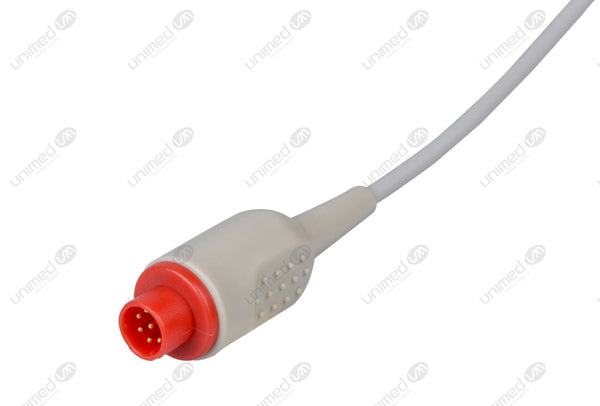
ECG lead wires are the cables that link the patient’s skin to the ECG monitor. They carry small electrical signals from the heart to the machine, which then shows the pattern on the screen. Without these wires, the monitor cannot check the heart at all.
They are used in both short checks and longer monitoring and help staff understand the heart's condition. The idea of 3-Lead vs. 5-Lead ECG also starts here, because the wires decide how many points on the chest are read.
Why These Wires Matter
These ECG monitoring leads and special leads[1]help staff monitor the heart rhythm during rest, movement, and treatment. When the wires work well, the heart pattern stays clear, and it becomes easier for doctors to understand what is happening. Hospitals mostly choose trusted ECG lead wire manufacturers because better wires mean fewer mistakes and cleaner readings.
3-Lead ECG Lead Wires
A 3-lead setup focuses on showing the heart's basic rhythm. It provides a simple view that helps staff assess heartbeat stability without requiring many points on the chest.

l Applicable Scenarios
This setup is common in short tests and basic checks where only the main rhythm matters. It is also used when the patient is moving or being moved between hospital areas.
l Usage-Related Information
The system uses three points on the body. It takes only a moment to attach and works well with many ECG monitoring accessories. Staff usually choose it when they need a clear rhythm line without a long setup. It also fits easily with standard ECG cables and leadwires used in clinics.
l Advantages and Limitations
These wires have the following benefits:
● Work well in emergency rooms
● Quick to attach
● Comfortable for patients
● Stable for short monitoring sessions
Despite the advantages, 3-lead wires also have a few disadvantages:
● They are not designed for deeper analysis
● Cannot detect detailed heart issues
● Not suitable for long-term monitoring
If you want dependable performance and long-lasting quality, you can choose Unimed’s Disposable 3-Lead ECG Lead Wires for your hospital or clinic needs.
5-Lead ECG Lead Wires
5-lead ECG lead wires are used when doctors need a wider, clearer view of heart activity. They help catch small rhythm changes that may not show in basic monitoring.

l Applicable Scenarios
These wires are used in hospital units where close heart monitoring is needed. They are common in ICUs, emergency rooms, and step-down units because they show more heart signals at the same time.
Hospitals also use them for patients with chest pain or conditions that require long hours of heart tracking. The setup gives more detail than a basic system, so it supports safer and more accurate care.
l Usage-Related Information
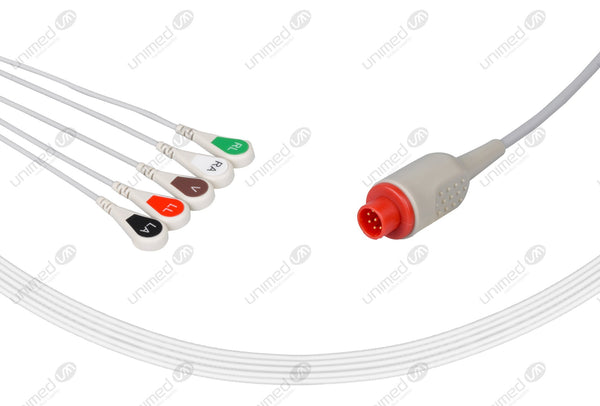
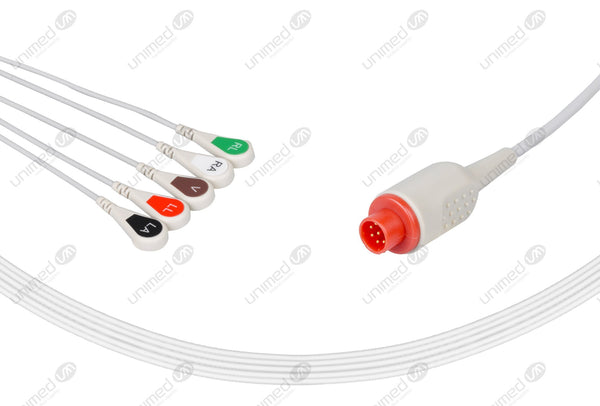
A 5-lead system uses five color-marked leads placed on the chest and limb area. Staff follow a set pattern to place them so the signal stays stable. This layout helps reduce noise, even when the patient moves a little. Because of this, the heart can be clearly monitored for long periods, which supports safer care in busy hospital settings.
l Advantages and Limitations
There are many benefits of this type of ECG lead wires:
● Give clearer and more complete heart information
● Helps detect early rhythm changes
● Works well for long-term monitoring
● Gives more detailed views
Even with all the advantages, there are some limitations of this lead wire ECG:
● They need careful use
● May feel less comfortable for active patients
● Must be placed correctly for clean results
If you need wires that work well every day, you can pick Unimed’s reusable 5-Lead ECG Lead Wires for your patients.
Key Differences: 3-Lead vs. 5-Lead ECG Lead Wires
|
Feature |
3-Lead ECG Lead Wires |
5-Lead ECG Lead Wires |
|
Number of Leads |
3 leads |
5 leads |
|
Heart View |
Basic View |
Wider and clearer view |
|
Common Use |
Quick Checks, Basic Monitoring |
ICU, ER, long heart watching |
|
Setup Time |
Fast and simple |
Slightly longer |
|
Comfort |
More comfortable for moving patients |
May feel less comfortable |
|
Signal Detail |
Limited detail |
More detail and more heart signals |
|
Best For |
Short checks and stable cases |
Patients who need close and long-term care |
Unimed
At Unimed, we manufacture ECG lead wires that are safe and easy for hospitals to use. We have been supplying medical parts for over 20 years, and our products are used in many clinics and hospitals around the world. We check each wire carefully before shipping, so you can trust the readings you get from your monitor.
We offer many kinds of ECG lead wires, including both 3-lead and 5-lead types. Our wires fit well with common hospital machines, and we use strong materials to help them last longer. Many hospitals choose us because our quality remains consistent and our support is easy to reach.
If you need ECG lead wires that work well every day, we can supply them with proper care and support. You can call us at +86 755-26695165 for orders or questions.